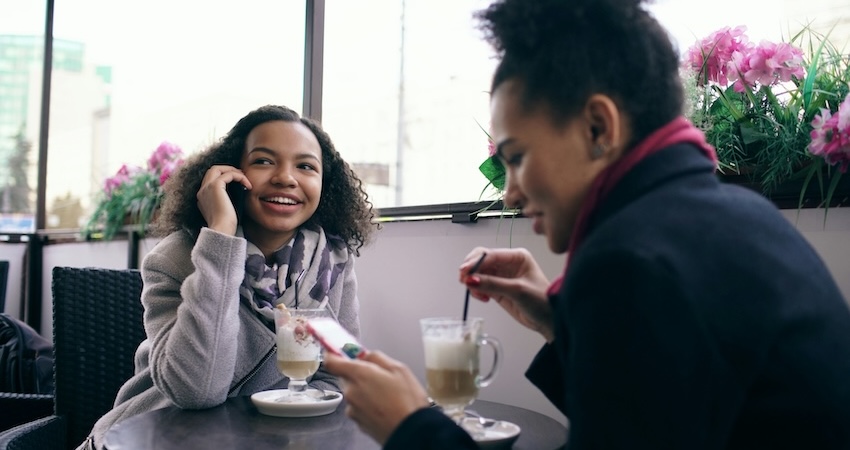
Meaningful conversations are the foundation of strong relationships and personal well-being. They're how we share ideas, express emotions, and build connections that truly enrich our lives. But in a world full of distractions, really connecting with someone can feel tough. Improving your communication skills doesn't mean changing your personality; it's a skill anyone can learn with a little awareness and practice. Understanding common roadblocks and using a few key techniques can transform your interactions, whether it's a quiet chat with a friend or a lively family dinner.
Understanding Communication Barriers
Before you can make your conversations better, it helps to know what gets in the way. Communication barriers aren't always obvious. Beyond just physical noise, internal factors often play a bigger role. For example, you might be thinking about a work problem or feeling tired, which stops you from being fully present. Assumptions and ideas you already have about the other person can also change how you hear what they're saying.
Environmental distractions are another big problem. A constantly buzzing phone or a TV blaring in the background pulls your attention away from the person right in front of you. Noticing these internal and external barriers is the first step. Once you spot them, you can start using effective communication strategies to get past them and make room for more real dialogue.
Setting Up for Success
Where you talk makes a huge difference in how good the conversation is. Whenever you can, pick a spot that cuts down on distractions and helps you focus. This might mean putting phones away, turning off the TV, or suggesting a walk in a quiet park instead of meeting at a noisy cafe. Creating a comfortable physical space shows the other person that you value the conversation and are giving them your full attention. A helpful look at how to stay connected when the world gets a little quieter also highlights how hearing challenges can affect everyday conversations.
For many, busy public places are a real challenge. The clatter of dishes, background music, and other people's voices can make it hard to follow what's being said. This can be especially frustrating at social gatherings meant for connecting. Finding ways of hearing better in crowded restaurants can turn a stressful experience into an enjoyable one, letting you join in fully instead of feeling left out.
Technology for Enhanced Dialogue
While technology often gets blamed for our communication problems, it can also be a powerful tool for connecting when used thoughtfully. Video calls let us see facial expressions and body language, adding a layer of non-verbal communication that's missing from a phone call or text. For friends and family who live far away, this can be an invaluable way to keep strong bonds.
Assistive technologies also play a vital role in bridging communication gaps. From apps that help translate languages to devices designed to make speech clearer in noisy places, technology can remove physical barriers to conversation. The trick is to use these tools on purpose to support connection, rather than letting them become just another distraction.
Active Listening Skills
One of the most powerful things you can do to improve your conversations is to become a better listener. Active listening is more than just hearing words; it's about understanding the whole message someone is sending. It means giving the speaker your full attention and showing you've heard what they said.
You can practice active listening by:
- Paraphrasing: Briefly sum up what you heard in your own words. For example, “So, it sounds like you're feeling overwhelmed by your new project.”
- Asking open-ended questions: Encourage the speaker to say more with questions that can't be answered with a simple “yes” or “no.” Try “How did that make you feel?” instead of “Were you upset?”
- Observing non-verbal cues: Pay attention to body language, tone of voice, and facial expressions. These often say more than words alone.
Mastering these techniques is essential if you want to improve your interpersonal skills and build deeper, more satisfying connections.
Practice and Patience
Becoming a better conversationalist doesn't happen overnight. It's a skill that, like any other, needs consistent practice and patience with yourself. Start small with low-stakes interactions. Try to have a real, two-minute conversation with the cashier at the grocery store or your barista. Ask them how their day is going and truly listen to their answer.
Don't get discouraged if some conversations feel awkward or don't go as planned. Every interaction is a chance to learn. Think about what worked and what didn't. Maybe you noticed you interrupted someone, or perhaps you successfully used a clarifying question. Over time, these small efforts will build your confidence and make good communication feel more natural.
Every conversation is a chance to connect with another person. With a little mindfulness and a willingness to learn, you can make each of those interactions more meaningful and rewarding.

Leave a Reply