Key Takeaways
- Transitioning to sustainable hand drying methods significantly reduces environmental impact.
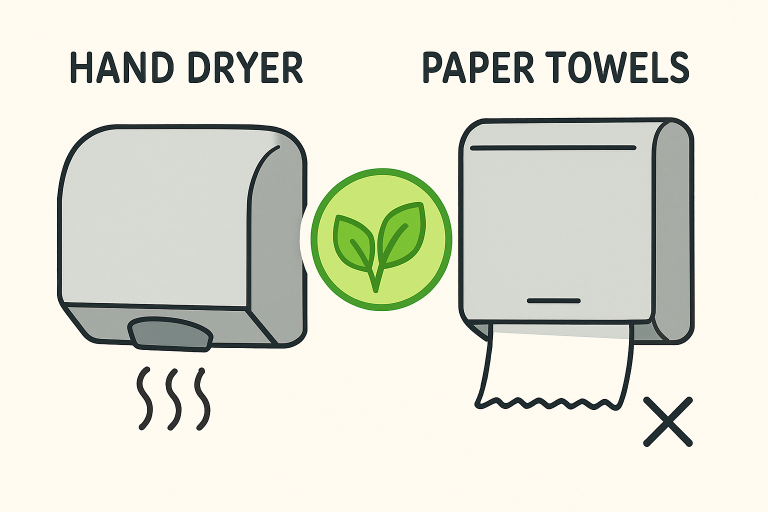
- Modern hand dryers offer greater energy efficiency and improved hygiene compared to traditional paper towels.
- Innovative hand-drying technologies contribute to cost savings and operational efficiency.
Table of Contents
- Environmental Impact of Paper Towels
- Advantages of Modern Hand Dryers
- Innovations in Hand Drying Technology
- Cost-Benefit Analysis
- Hygiene Considerations
- Implementing Sustainable Solutions
- Conclusion
Sustainability in facility management is increasingly a priority for businesses looking to minimize their ecological impact and improve operational standards. Restroom amenities, particularly hand drying solutions, play a significant yet often underestimated role in shaping environmental outcomes. Embracing sustainable hand-drying methods not only helps conserve valuable resources but also contributes to a healthier, more efficient restroom experience for all users. Modern facilities can now rely on innovative designs like the U-flow hand dryer, which demonstrates how thoughtful technology can balance hygiene, efficiency, and eco-friendliness.
In many cases, shifting to advanced solutions transforms routine processes into opportunities for environmental stewardship, demonstrating corporate responsibility and long-term cost efficiency. Selecting the right hand-drying technology is about more than just drying hands quickly; it involves considering energy use, waste management, and user safety. Thoughtfully chosen systems directly support sustainability goals that align with global trends and consumer expectations.
Environmental Impact of Paper Towels
Paper towels, widely used in public restrooms, create a notable environmental burden. Manufacturing 1 ton of paper towels requires approximately 17 mature trees and 7,000 gallons of water, not including the energy used in production and distribution. Most paper towels are contaminated and not suitable for recycling, sending almost all of this waste straight to landfills. The U.S. Environmental Protection Agency notes that paper products are a major component of solid waste streams, compounding the urgency for more eco-friendly alternatives.
The lifecycle of paper towels, from harvesting timber for pulp to the challenges of disposal, generates sizable greenhouse emissions and pollution. Facilities seeking to reduce their environmental impact must reconsider their reliance on single-use paper towels and evaluate longer-term, sustainable alternatives.
Advantages of Modern Hand Dryers
Recent generations of hand dryers have made major leaps in energy efficiency. High-speed models can dry hands in as little as 10 to 14 seconds, using up to 88% less energy compared to their older counterparts. These improvements drastically lower electricity consumption and operational costs. Hand dryers also eliminate the recurring expense and logistics of purchasing, stocking, and disposing of paper towels, streamlining facility maintenance.
Most importantly, modern hand dryers are designed to reduce users’ environmental footprint. By converting electrical energy directly into high-velocity airflow without generating constant waste, hand dryers align with broader sustainability commitments. Many even feature adjustable speeds and heat settings, enabling facilities to further control energy usage based on their unique needs.
Innovations in Hand Drying Technology
The integration of AI and IoT into hand-drying is transforming restroom management. Smart hand dryers now offer real-time data on status, energy use, and maintenance, helping teams monitor trends and prevent issues. This approach optimizes resources and reduces downtime, vital for busy facilities. Advanced dryers feature HEPA filters trapping up to 99.97% of airborne bacteria and 99.999% of viruses, plus touchless activation reduces cross-contamination, making hand drying safer and more hygienic.
Cost-Benefit Analysis
Initial installation costs can be higher for modern hand dryers compared to paper towel dispensers. However, long-term financial benefits are substantial. Businesses frequently report savings of up to 95% in total costs when transitioning to energy-efficient dryers, including reduced expenditures on paper towel purchases, restocking, janitorial labor, and waste management services. Over time, the return on investment becomes undeniable, especially for organizations with moderate to heavy restroom traffic.
Hygiene Considerations
Hygiene is an essential benchmark for restroom amenities. Studies from reputable institutions confirm that hand dryers equipped with HEPA filters offer significant protection against the spread of germs and bacteria. Furthermore, integrating touchless sensors virtually eliminates the risk of users coming into contact with contaminated surfaces, addressing common concerns about the hygienic efficacy of communal restroom devices.
Implementing Sustainable Solutions
For businesses evaluating a transition to modern hand-drying technology, several factors should be considered, including typical restroom traffic, available budget, space constraints, and user expectations. Consulting with industry experts or reviewing documented case studies from peers can offer guidance on making informed choices tailored to specific facilities. Staff and visitor education is also critical; when users understand the environmental and hygiene benefits of new hand drying systems, acceptance and correct usage increase.
Conclusion
Sustainable hand-drying solutions offer an effective way for facilities to support environmental responsibility and improve overall restroom management. Modern hand dryers, with their energy-saving features and hygiene-focused designs, clearly outpace traditional paper towels in sustainability, cost-effectiveness, and user well-being. By investing in the latest advancements, businesses facilitate a cleaner, safer, and greener future, reinforcing their commitment to a better planet while enhancing restroom experiences for all.

Leave a Reply