Your body has an amazing, built-in ability to fix itself. From a paper cut that heals in days to a broken bone that mends over weeks, this internal repair system is always active. While this process mostly happens on its own, your lifestyle choices can either slow it down or really help it along. Learning to work with your body, instead of against it, can speed up recovery, lessen discomfort, and improve your long-term health. Let's look at some natural and effective ways to boost your body's self-healing powers.
Understanding Self-Healing
Self-healing is all about keeping your body in balance, a state called homeostasis. Your body constantly tries to get back to a stable condition. When you get hurt or sick, a complex series of biological events kicks in to deal with the damage and start rebuilding. This happens at a tiny level, with cells talking to each other, clearing out damaged parts, and repairing tissues. This complex system works to bring back a healthy condition at a cellular level, which is the basis for all recovery. If we provide the right conditions, we can help this process work its best.
Nutrition for Cell Regeneration
The food you eat literally provides the building blocks for cells to repair themselves. Without the right nutrients, your body's healing efforts can be slow and not very effective. Think of it like a construction project; you can't build a strong structure with poor materials. Key nutrients for regeneration include:
- Protein, which provides amino acids needed to rebuild tissue.
- Vitamin C, essential for making collagen, a protein that forms skin, cartilage, and blood vessels.
- Zinc, which plays a vital role in wound healing and immune function.
- Healthy fats, like omega-3 fatty acids, that help manage inflammation.
Eating a regenerative health diet full of whole foods like fruits, vegetables, lean proteins, and nuts can give your body everything it needs to heal well.
RMT Massage for Tissue Repair
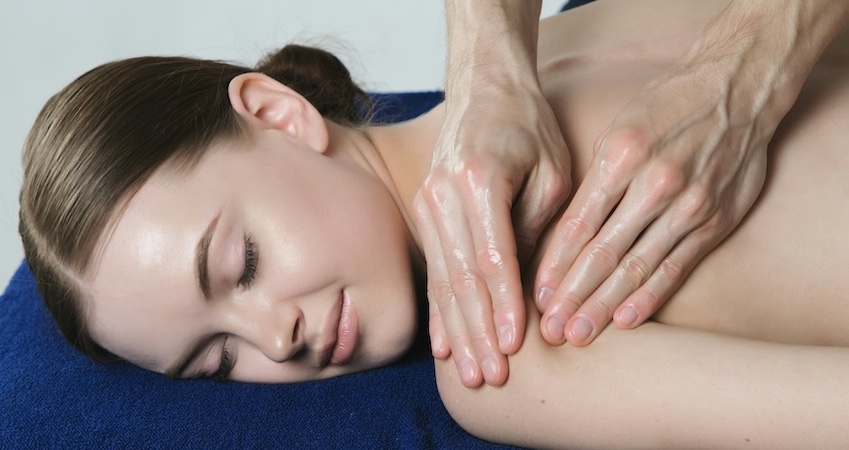
When muscles and soft tissues are injured or constantly tight, blood flow can be restricted. This slows down how quickly oxygen and nutrients reach the area. Therapeutic massage is a powerful way to directly deal with these physical barriers to healing. A focused RMT massage can be especially good at improving circulation, breaking down adhesions or scar tissue, and releasing tension. This hands-on method helps clear metabolic waste from the affected area and encourages fresh, nutrient-rich blood to flow in, creating a perfect environment for tissue repair.
Acupuncture's Role in Energy Flow
Acupuncture, a main part of traditional Chinese medicine, works on the idea of promoting a smooth flow of energy, or Qi, throughout the body. From this viewpoint, pain and slow healing can come from blockages or imbalances in this energy flow. By putting very thin needles into specific points, an acupuncturist aims to bring back balance and encourage the body's natural healing response. Modern research suggests that acupuncture can stimulate nerves and muscles, causing the body to release its natural pain-relieving chemicals and improving blood flow to injured areas. It's another way to tell the body to focus its repair efforts where they're most needed.
Movement and Circulation
While rest is crucial for healing, staying completely still can sometimes do more harm than good. Gentle movement is essential for keeping good circulation, which is how all the healing factors your body produces get around. Not moving can lead to stiffness, less blood flow, and a slower recovery. Depending on your condition, activities like walking, light stretching, or swimming can keep your blood pumping without putting too much stress on healing tissues. Movement helps bring oxygen-rich blood to an injury site and efficiently carries away cellular waste, making sure the repair process stays on track. Always listen to your body and talk to a professional to find out what level of movement is right for you.
Supporting your body's natural healing process means creating the best possible internal environment for proper recovery. By focusing on nutrient-rich foods, using targeted therapies, and keeping up with gentle movement, you empower your body's deep ability to mend and restore itself.

Leave a Reply