We all know well enough, at this point, that sugar isn’t necessarily good for you. However. Simply knowing isn’t enough. For those with a long-held habit of indulging the sweet tooth, trying to go entirely without it can be a considerable challenge indeed. However, reducing your sugar doesn’t have to mean giving up on sweetness. There are plenty of alternatives to refined sugar, especially if you’re looking for things to add to cereal, porridge, oatmeal, hot drinks, and the like.
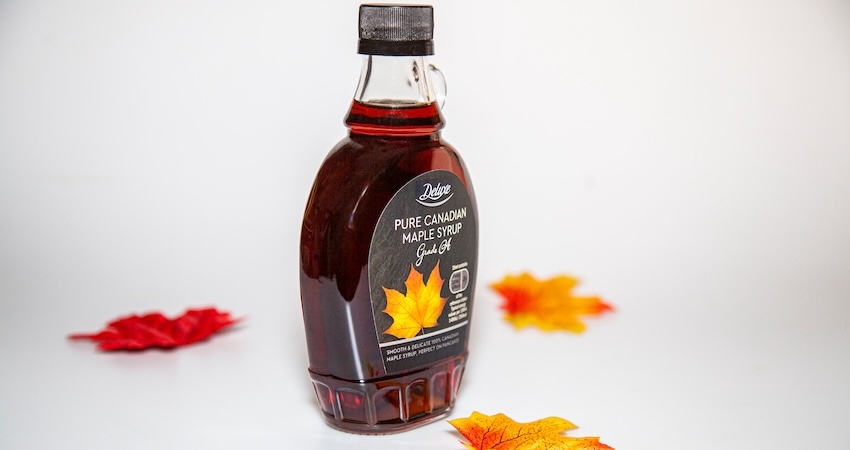
Maple Syrup
First, maple syrup is often considered healthier as it’s less processed than refined sugar and has small amounts of minerals like manganese and zinc. However, it’s still high in both sugar and calories, meaning that moderation is most definitely the key with this option. Eating too much of it can cause blood sugar spikes throughout the day.
Coconut Sugar
Becoming much more popular among the more health-conscious, as of late, coconut sugar is most notable for its lower glycemic impact, meaning it raises blood sugar more slowly than sugar and maple syrup. It also has a good deal more potassium, calcium, and iron, and its caramel-like flavor goes well with hot drinks or when used in baking. However, despite its lowered impact on blood sugar levels, it does still have similar calorie content to sugar, so it shouldn’t be overused.
Manuka Honey
Regular honey is already slightly better for you than sugar, thanks to trace minerals and compounds, as well as the fact that it’s less processed. The manuka honey benefits go even further, with antibacterial properties that can support the immune system and antioxidants to improve cell health, not to mention its ability to soothe sore throats when you’re under the weather. As such, it’s become highly popular in herbal teas, smoothies, and yoghurt as a natural sweetener.
Dates And Raisins
Whole dried fruits, including dates and raisins, have long been popular ways to sweeten foods naturally, and they are packed with nutritional value, including fiber, vitamins, minerals, and antioxidants, supporting digestion and overall health. They’re widely used in cereal, porridge, desserts, and energy balls. However, as with many other natural sweeteners, they can be quite high in sugars and calories in high quantities, so you don’t want to overboard with them.
Synthetic Sweeteners
Synthetic sugar alternatives such as Stevia have seen widespread use since their release, thanks to the fact that they contain little to no calories and do not typically raise blood sugar levels, making them well-suited to low-carb and diabetic-friendly diets. There are certain concerns about the additives and fillers in these sweeteners, but the long-term effects of these sweeteners have yet to be fully explored. The distinct aftertaste can put some people off, but if you don’t mind it, it can be a very worthy substitute for sugar, especially in hot drinks like coffee and tea.
There are no perfect sugar alternatives that offer only health benefits and work for everyone. Moederation is still required, but natural sweeteners can be a much more nutritious solution and less detrimental to your health, while synthetic options can reduce sugar intake altogether.

Leave a Reply