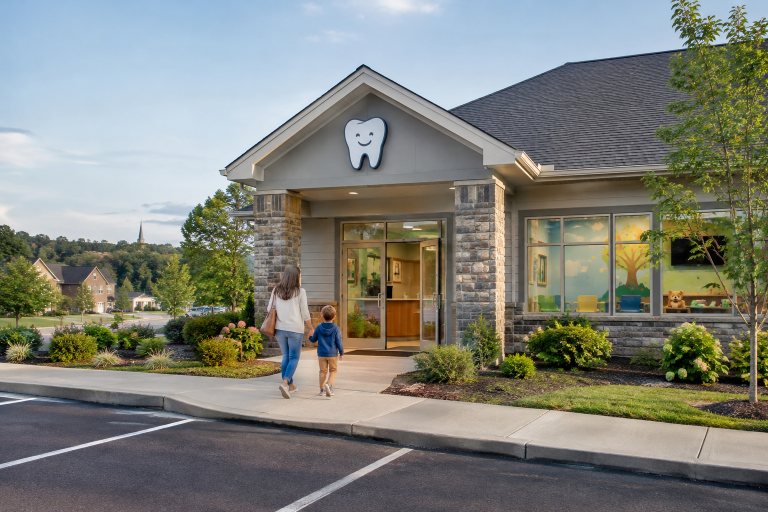
Key Takeaways
- A child’s first dental visit is generally recommended by age one or within six months after the first tooth appears.
- Simple practice at home can make an unfamiliar appointment feel more predictable.
- Calm, honest language helps children approach the visit without unnecessary worry.
- Parents can share medical information, sensory needs, and comfort strategies with the dental team before the appointment.
- The first visit often includes an oral exam, preventive guidance, and time to build trust.
For families in Mercer County, preparing for a child's first dental appointment is a meaningful step in establishing an early health routine. A dentist in Harrodsburg, such as Harrodsburg Kids Dentistry, provides dental care for children from infancy through adolescence, emphasizing prevention, individualized attention, and support for children with special needs. Harrodsburg Kids Dentistry offers parents a child-focused place to ask questions as their children’s teeth develop and their oral care needs change.
A first dental visit does not need to be a perfect, photo-ready milestone. Your child may be cheerful, quiet, curious, wiggly, or unsure, and that is perfectly normal. The goal is to introduce dental care as a regular part of growing up, whether your family is coming from downtown Harrodsburg, the Kentucky River countryside, or fitting an appointment around preschool and work schedules.
Why the First Dental Visit Matters
Early dental visits are about more than looking for cavities. They give a dentist an opportunity to check the teeth, gums, bite, and oral development, while also giving caregivers practical guidance on brushing, fluoride, feeding habits, teething, and pacifiers or thumb-sucking. Baby teeth help children chew and speak, and they hold space for permanent teeth, so caring for them matters from the beginning.
The appointment also helps establish a dental home before a child has pain or an urgent concern. Parents can use the visit to discuss what is typical for their child and learn which changes should prompt an earlier call.
When to Schedule the First Visit
The American Academy of Pediatrics and the American Academy of Pediatric Dentistry recommend seeing a dentist by a child’s first birthday or within six months of the first tooth appearing, whichever comes first. The American Academy of Pediatrics’ oral-health guidance also explains that a first visit helps determine the right schedule for future checkups.
Do not wait for tooth pain, a dark spot, swelling, or a broken tooth before arranging care. Follow-up timing varies because each child’s cavity risk, development, daily habits, and health history are different.
How to Prepare at Home
Keep preparation short and low-pressure during the days before the visit. Too much buildup can make a young child feel that something unusually serious is about to happen.
- Choose an appointment time when your child is usually rested and fed.
- Read a cheerful book about a dental visit or talk through the plan in a few simple sentences.
- Practice opening wide while you count teeth with a toothbrush.
- Let your child “check” a stuffed animal’s teeth with a toy toothbrush.
- Bring a favorite blanket, toy, or other comfort item if it helps with transitions.
- Plan extra time for parking, check-in, and settling into a new environment.
For example, a toddler might feel more familiar with “open wide” after practicing it with a beloved stuffed animal. That rehearsal cannot guarantee an easy appointment, but it can remove one unfamiliar request from the experience.
Use Simple, Positive Language
Use honest phrases such as, “The dentist will look at your teeth,” or, “We are going to learn how to keep your smile healthy.” Let the dental team introduce unfamiliar tools or procedures in child-friendly terms if they become necessary.
Avoid using a dental appointment as a threat, sharing frightening stories about your own care, or introducing words that may sound alarming to a child. Young children pay close attention to a caregiver’s voice, expression, and body language, so a calm tone can be reassuring.
What to Expect at the Appointment
Every office and every child is different, but a first visit may include the following:
- Meeting the dentist and dental team.
- Sitting in a dental chair or completing an age-appropriate lap exam with a caregiver nearby.
- Looking at teeth, gums, jaw growth, and bite.
- Talking about brushing, fluoride, snacks, drinks, and oral habits.
- Discussing preventive care, including whether a cleaning or fluoride treatment is appropriate.
- Making a plan for future visits.
Crying, hesitation, or movement can be common for infants and young children in a new setting. A child-centered team can explain what is happening, work at an appropriate pace, and help parents understand the next step.
What to Bring
- Dental insurance information, if applicable.
- A list of medications, allergies, and relevant medical conditions.
- Any forms or records requested by the office.
- A comfort item for the child.
- A written list of questions about brushing, teething, snacks, bottles, or habits.
Writing questions down before leaving home is useful. First appointments can be busy, especially when parents are also helping a child adjust to a new room, new faces, and new sounds.
Helping a Nervous or Sensitive Child
If your child struggles with unfamiliar people, bright lights, sounds, touch, or changes in routine, call ahead. Explain what helps, such as a favorite toy, a quieter introduction, a short first appointment, clear step-by-step explanations, or extra time to settle in.
For children with special health care needs, share communication preferences, sensory triggers, mobility considerations, medications, and calming strategies. The goal is not to force a child to look calm. It is to help the dental team plan care that is respectful, safe, and realistic for that child.
Questions Parents Can Ask
- What should my child’s daily brushing routine look like?
- How much fluoride toothpaste is appropriate for my child’s age?
- How often should my child return for checkups?
- Are bottles, pacifiers, or thumb-sucking affecting oral development?
- Which snacks and drinks support healthy teeth?
- What should I do if my child is anxious during dental care?
- Which symptoms mean we should schedule an earlier appointment?
Brushing should begin when teeth appear, and parents should help young children brush effectively. The CDC’s oral-health tips for children note that caregivers should discuss fluoride toothpaste use with a dentist or doctor for children younger than two and supervise brushing as children learn.
Finding a Local Dental Home
When comparing options in Harrodsburg and nearby communities, look for an office that welcomes children, communicates clearly with caregivers, and provides preventive guidance alongside treatment. Practical details matter, too: consider location, hours, insurance participation, emergency instructions, and the team’s experience supporting children who may need extra patience or accommodations.
A Calm Start Can Build Better Habits
A first dental visit can be simple, gradual, and imperfect. Your child may need extra reassurance, ask many questions, or become comfortable only after more than one visit. With early scheduling, gentle preparation, and open communication, families in Harrodsburg can make dental care feel like another healthy routine that grows with their child.

Leave a Reply