Table of Contents
- Why a Healthy Smile Is More Than a Cosmetic Goal
- The Basic Parts of a Balanced Mouth
- How Bite Problems Can Affect Daily Comfort
- Gum Health Is Part of the Foundation
- The Link Between Breathing, Sleep, and Oral Function
- What a Whole-Mouth Dental Evaluation May Include
- Where Functional Care Fits
- Daily Habits That Support Teeth, Gums, and Jaw Comfort
- Questions to Ask at a Dental Consultation
- Common Myths to Leave Behind
- Look at the Whole Picture
A healthy smile is about more than how evenly teeth appear in photographs. Teeth, gums, jaw joints, muscles, and breathing habits can all influence how comfortably a person chews, speaks, sleeps, and maintains their oral health. For readers who want to consider those relationships together, functional dentistry offers a broader framework for evaluating oral function alongside appearance.
Tetrahealth Dentistry is a New York City-area biologic dental practice that describes care through connected priorities such as oral-systemic health, healthy supporting tissues, bite function, airway considerations, and restorative planning. Its multidisciplinary team includes expertise in periodontal, restorative, prosthodontic, orthodontic, implant, and dental sleep medicine, which makes a whole-mouth perspective particularly relevant when several dental concerns overlap.
Why a Healthy Smile Is More Than a Cosmetic Goal
Teeth may look straight while still showing signs of functional strain. Repeated chips, worn enamel, sensitive teeth, frequent restoration repairs, or discomfort while chewing can suggest that certain teeth are carrying more force than they should. Healthy gums and stable bone matter are just as important because they support the teeth and protect their roots.
A practical dental plan considers appearance, comfort, durability, and daily function. Rather than viewing each tooth as an isolated problem, it asks how the entire mouth works when a person bites, chews, talks, swallows, and rests.
The Basic Parts of a Balanced Mouth
- Teeth cut and grind food, support speech, and help maintain facial structure.
- Gums and bone surround and support teeth, forming the foundation for natural teeth and many restorative treatments.
- The bite describes how upper and lower teeth meet during closing and chewing.
- Jaw joints and muscles guide movement for opening, closing, speaking, and chewing.
- The airway relates to the movement of air through the nose, mouth, and throat, including during sleep.
How Bite Problems Can Affect Daily Comfort
Overbites, underbites, crossbites, open bites, and uneven contacts are different ways in which teeth may meet less evenly. Some people have no symptoms, while others notice jaw fatigue, cheek biting, headaches, tooth sensitivity, chipped edges, or difficulty chewing certain foods. Clenching and grinding can further increase stress on teeth and restorations.
Jaw clicking alone does not automatically mean serious joint disease. However, ongoing pain, locking, limited opening, or a sudden change in how the teeth fit together should be evaluated by a qualified dental professional. If a crown or filling repeatedly fractures, repairing it may be necessary, but understanding the forces acting on it can also be important.
Gum Health Is Part of the Foundation
Gingivitis is gum inflammation that can often improve with effective home care and professional cleanings. Periodontitis is a more advanced form of gum disease that involves damage to the tissues and bone that support the teeth. In national survey data from 2009 through 2014, about 4 in 10 U.S. adults age 30 and older had some level of periodontitis. The CDC explains the signs, risk factors, and prevention steps for gum disease in practical detail.
Bleeding, swelling, recession, persistent bad breath, loose teeth, painful chewing, and changes in the bite deserve attention. Gum disease can progress quietly, so an absence of pain does not guarantee healthy supporting tissues. Tobacco use, diabetes, inconsistent plaque removal, medication-related dry mouth, stress, and grinding may increase risk. Bleeding gums are a reason to schedule an evaluation, not simply to brush harder.
The Link Between Breathing, Sleep, and Oral Function
Chronic mouth breathing may contribute to dry mouth, which can make it harder to maintain a comfortable oral environment. Loud snoring, restless sleep, morning headaches, daytime sleepiness, waking with a dry mouth, and ongoing fatigue are worth discussing with a health professional. These signs do not diagnose sleep apnea, but they can justify further screening.
A dental team may notice features that support a conversation about sleep, jaw tension, tooth grinding, or arch shape. When sleep apnea is suspected, appropriate medical evaluation and testing are needed for diagnosis and treatment planning.
What a Whole-Mouth Dental Evaluation May Include
A detailed assessment is tailored to the person, but it may include:
- A review of medical history, medications, sleep patterns, symptoms, and dental goals.
- An examination of teeth, gums, tongue, jaw joints, facial muscles, and existing dental work.
- Assessment of bite contacts, tooth wear, clenching, grinding, and chewing patterns.
- Periodontal measurements to evaluate gum pockets and supporting tissues.
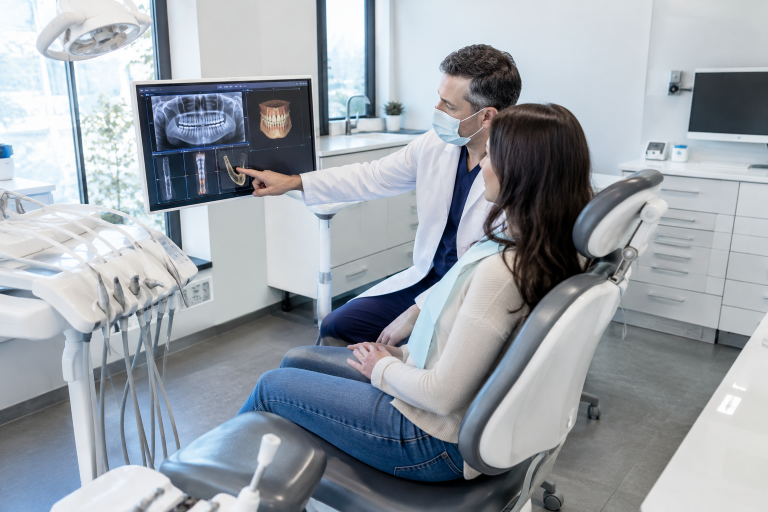
- Photographs, digital scans, or X-rays when clinically appropriate.
- A clear discussion of conservative options, treatment sequence, costs, risks, and maintenance needs.
Where Functional Care Fits
Functional care should not mean applying the same appliance, material, or procedure to every patient. It begins with a diagnosis and with questions about what is causing the concern. Patients should understand why each test is recommended, what it can and cannot show, and what evidence supports a proposed treatment. For complex or costly plans, seeking a second opinion can be a sensible step.
Daily Habits That Support Teeth, Gums, and Jaw Comfort
- Brush twice daily with fluoride toothpaste unless a clinician recommends a different plan.
- Clean between teeth daily with floss, interdental brushes, or another suitable aid.
- Drink water regularly, especially if dry mouth is a concern.
- Limit frequent sipping of sugary or acidic drinks.
- Avoid opening packages or chewing hard objects with teeth.
- Notice clenching during work, driving, exercise, or stressful moments.
- Use a professionally selected mouthguard for contact sports.
- Keep dental visits based on individual risk and professional recommendations.
Questions to Ask at a Dental Consultation
- What may be causing my tooth wear, jaw tension, or repeated repairs?
- Are my gums healthy enough for restorative or orthodontic treatment?
- Does my bite place extra pressure on specific teeth?
- Could clenching or grinding be contributing to my symptoms?
- Would my sleep or breathing history support an airway screening?
- Which tests are necessary, and how would the findings affect treatment?
- What are the conservative options before more involved care?
- How will this result be maintained over time?
Common Myths to Leave Behind
Straight teeth always mean a healthy bite.
Alignment is important, but it is only one part of oral function. Gum health, tooth wear, comfort, and jaw movement also matter.
Bleeding gums are normal.l
Ongoing bleeding may signal inflammation and should be evaluated.
Jaw clicking always requires surgery.
Treatment depends on symptoms, function, diagnosis, and the likely cause. Many cases are managed without surgery.
A dental airway screening confirms sleep apnea
Screening can identify reasons for further assessment, but formal diagnosis requires appropriate medical testing.
Look at the Whole Picture
A healthy mouth is not judged by appearance alone. Gum condition, bite comfort, tooth strength, jaw movement, sleep quality, and everyday habits all contribute to long-term oral function. The American Dental Association also discusses the relationship between oral health and overall health, reinforcing why prevention and regular care matter. A thoughtful evaluation can identify smaller issues before they become more difficult to manage, then build a plan that fits the person's needs and priorities.

Leave a Reply