Key Takeaways
- Immediate removal of hazardous trees minimizes risks of personal injury and structural damage.
- Postponement often leads to higher costs due to emergency calls and extensive repairs.
- Relying on professionals for assessment and removal ensures safety and complies with local regulations.
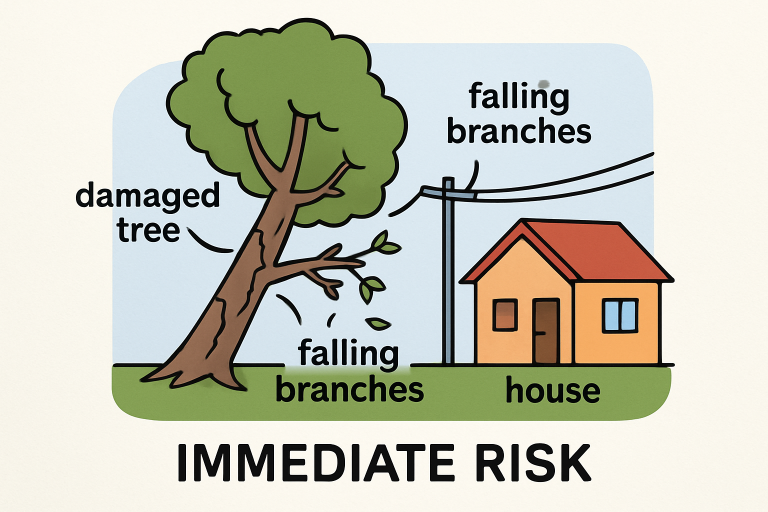
When a tree on your property becomes hazardous, fast action is essential to avoid costly damage and ensure everyone's safety. Situations that call for emergency tree removal are not only stressful but can also escalate if not handled quickly. Delaying the process increases the risks to nearby structures, power lines, and the well-being of people or pets on the property.
Each year, storms, disease, and age weaken trees, which may topple or drop large branches unexpectedly. Homeowners who act quickly not only protect their property but also avoid legal and financial consequences that come with neglecting visibly dangerous trees.
If ignored, hazardous trees can result in substantial liabilities and even insurance claim denials in case of incidents. It's important to view fast tree removal as a preventative measure rather than a reactive one. The Arbor Day Foundation offers further guidance on general tree safety and health, making it easier to spot signs of trouble before they worsen.
Recognizing Hazardous Trees
Awareness is the first line of defence against tree hazards. Dangerous trees typically display clear signs of health issues or structural instability. Look out for:
- Dead or dying branches that could fall without warning
- Visible cracks, splits, or hollow spaces in trunks
- A pronounced lean, especially if the soil around the roots is disturbed
- Fungal growth, such as mushrooms, around the trunk base, which often signals internal decay
Certified arborists can conduct thorough inspections, offering reliable assessments before a minor issue becomes a major problem.
Risks of Delaying Tree Removal
Postponing the removal of hazardous trees can be extremely costly, both financially and in terms of safety. Some of the main risks include:
- Property Damage: Falling branches or an entire tree can crush vehicles, damage roofs, and destroy fences or utility lines.
- Personal Injury: Trees or limbs that unexpectedly fall can cause serious injuries to residents, guests, or neighbors.
- Increased Costs: Delaying action means that when removal becomes urgent, prices for emergency services and subsequent repairs tend to be much higher.
Reports like those from Consumer Reports emphasize how quick action keeps costs down and improves overall safety.
Financial Implications
Homeowners often underestimate the financial burden of delaying tree removal. Besides immediate repair bills following damage, insurance companies might decline claims if they determine negligence. Furthermore, the presence of hazardous trees can diminish property values and deter prospective buyers who do not want to inherit major risks.
Environmental Considerations
It is understandable to worry about the ecological impact of removing mature trees. However, the hazards posed by dead or unstable trees often override the benefits of preserving them. Whenever possible, homeowners should opt for replanting with native trees to support local ecosystems and offset canopy loss.
Legal and Liability Issues
Property owners are responsible for maintaining their land to prevent foreseeable accidents. Failure to act on clear tree hazards can open the door to lawsuits or municipal fines if the tree later causes damage or injury. Proactive care reduces the chances of such liabilities.
Steps to Take
- Assessment: Consult a certified arborist for a full evaluation of suspect trees.
- Decision: Weigh the professional’s recommendations and decide if and when to proceed with removal.
- Action: Hire reputable tree removal professionals equipped to handle the task safely and efficiently.
Staying proactive with routine inspections and timely intervention is an investment in both personal safety and property care. For more detailed steps on what to expect during the removal process, resources like Angi provide valuable consumer insights.
Cost Factors in Emergency Tree Removal
Several variables affect the overall cost of emergency tree removal. Factors such as the size and species of the tree, its proximity to buildings or power lines, accessibility for equipment, and the urgency of the situation all play significant roles in determining fees. Large or tall trees near structures may require specialized equipment or additional crew members, which can increase the price. Likewise, after-hours or storm-related emergencies often carry premium costs due to the immediate response required. Understanding these price factors can help homeowners budget more effectively and minimize surprises when an urgent situation arises.
How Professional Arborists Ensure Safety
Professional arborists follow specific protocols to ensure safe and efficient tree removal. Before any work begins, they carefully assess the tree’s condition, identify potential hazards, and devise a plan for controlled removal. This may include securing limbs with ropes, using cranes for tall trees, or delegating spotters to monitor falling debris. Certified teams are trained to manage risks related to electrical wires, underground utilities, and property features. Their expertise and utilization of advanced equipment greatly reduce the likelihood of collateral damage, personal injury, and legal complications during the removal process.
Post-Removal Best Practices
After a hazardous tree has been taken down, homeowners should consider several additional steps to protect and restore their property. Removing the stump helps prevent future tripping hazards and discourages pests, such as termites, from inhabiting decaying wood. Filling and leveling the ground where the tree once stood prevents water pooling and further soil destabilization. When possible, planting new trees in suitable locations helps recover lost shade and supports the landscape’s health and resilience. Local extension offices or landscaping experts offer recommendations on species selection and aftercare tailored to your region.
Building a Long-term Tree Care Plan
Maintaining healthy trees goes beyond responding to emergencies; ongoing care is essential. Regular inspections, timely pruning, and prompt action on signs of disease or pest infestations can significantly extend a tree’s lifespan and reduce the risk of sudden hazards. Homeowners should establish a relationship with a local tree service for scheduled maintenance and educational support. Proactive tree care not only keeps your property safe but also enhances curb appeal and property value over time. Investing in prevention is always more cost-effective than managing emergencies after the fact.
Conclusion
Swift tree removal is not just an emergency response, but a crucial aspect of responsible property ownership. Responding quickly to warning signs, conducting regular inspections, and partnering with professionals safeguards your family, your finances, and your landscape in the long term.

Leave a Reply