Key Takeaways
- Same-day care can help with new, non-life-threatening symptoms that need prompt attention.
- The right setting depends on the severity of symptoms, the person's age, health history, and whether testing or imaging may be needed.
- Urgent care does not replace emergency treatment for serious warning signs such as stroke symptoms, severe trouble breathing, or major bleeding.
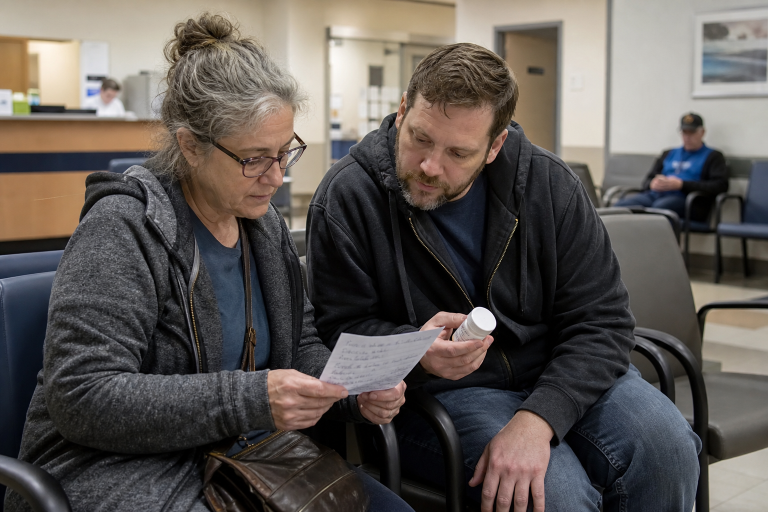
- Bringing medication details, allergies, and clear symptom notes can make a visit safer and more efficient.
- Follow-up with a primary care clinician is often an important part of recovery.
Table Of Contents
- What Counts As Same-Day Care?
- Choosing The Right Care Setting
- When Urgent Care May Be A Good Fit
- Signs That Call For Emergency Care
- How To Prepare For A Visit
- Special Tips For Children
- Why Follow-Up Care Matters
- Questions To Ask Before Leaving
- Conclusion
When a new health concern appears, families often have to decide quickly whether to wait for a regular appointment, use telehealth, visit urgent care, or go to the emergency department. Same-day care can be a practical choice when symptoms need attention now but do not appear life-threatening.
For local patients comparing nonemergency options, Springfield NJ urgent care is offered by Care Station Medical Group at its walk-in location on Route 22 in Springfield. The practice provides urgent care alongside primary care, specialty services, and on-site diagnostic capabilities, making it a useful option for Springfield and nearby New Jersey communities when prompt in-person evaluation is appropriate.
What Counts As Same-Day Care?
Same-day care means receiving medical attention on the day a new symptom begins, worsens, or becomes difficult to manage at home. It may involve a primary care visit, an urgent care clinic visit, a telehealth appointment, or an emergency evaluation. The goal is not simply to be seen quickly. It is necessary to choose a setting that matches the level of care needed.
Examples may include a painful ear, a sore throat, a fever, mild asthma symptoms, a minor cut, a sprain, a rash, urinary discomfort, or a stomach illness. Symptoms can change over time, so a concern that first seems minor may need a higher level of care if warning signs develop.
Choosing The Right Care Setting
Primary Care
Primary care is often the best fit for ongoing symptoms, recurring problems, chronic-condition management, medication reviews, preventive care, and follow-up. A regular clinician knows the patient's history and can help coordinate referrals, tests, and long-term treatment plans. If symptoms have persisted for several days and remain stable, calling the primary care office first may be worthwhile.
Urgent Care
Urgent care can be useful for non-life-threatening problems that should not be delayed until the next available routine appointment. Services vary by clinic, but some locations can evaluate injuries, perform lab testing, take X-rays, and address common acute illnesses.
Telehealth
Telehealth may work well for mild symptoms, medication questions, some follow-up needs, and certain skin or respiratory concerns. It may not be enough when a clinician needs to listen to the lungs, examine an injury, test a sample, or obtain imaging.
Emergency Department
Emergency departments are designed for serious, sudden, or potentially life-threatening conditions. Call 911 rather than driving yourself when severe symptoms could make travel unsafe or delay treatment.
When Urgent Care May Be A Good Fit
A same-day urgent care visit may be appropriate for concerns that need a clinician's assessment but do not involve emergency warning signs. Common examples include:
- Minor burns, cuts, bites, and wounds.
- Sprains, strains, and possible minor fractures.
- Cold, flu, sinus, ear, and throat symptoms.
- Mild nausea, vomiting, diarrhea, or stomach discomfort.
- Urinary discomfort or possible symptoms of a urinary tract infection.
- Rashes, mild allergic reactions, or possible skin infections.
- Appropriate work, school, sports, or travel health needs.
Before going, consider calling the clinic to ask whether it can address the specific concern, especially if the person has complex medical needs or may require specialized testing.
Signs That Call For Emergency Care
Urgent care should never delay emergency treatment. Call 911 or seek emergency help right away for:
- Severe chest pain, chest pressure, or sudden difficulty breathing.
- Possible stroke signs include facial drooping, new weakness, confusion, or trouble speaking. Recognizing common stroke symptoms quickly can help families act without delay.
- Uncontrolled bleeding, a deep wound, severe burns, or major injury.
- Seizures, fainting, loss of consciousness, or inability to awaken someone.
- A sudden severe headache with weakness, confusion, or vision changes.
- Swelling of the lips, tongue, or throat, especially with breathing difficulty.
- Signs of severe dehydration, particularly in infants, older adults, or people with chronic illness.
Serious symptoms may look different in children, older adults, and people with disabilities. When uncertain, it is safer to call 911 or speak with a medical professional.
How To Prepare For A Visit
A short preparation list can help the care team understand what is happening and avoid missed details:
- Note when symptoms started and whether they are improving, worsening, or changing.
- Write down what makes symptoms better or worse.
- Bring current medication names, doses, and medication allergies.
- Include major health conditions and recent test results or discharge papers.
- Bring insurance information, photo identification, and any needed school, work, or sports forms.
- For children, bring vaccination details and the pediatrician's contact information.
Special Tips For Children
Children may not be able to describe pain or discomfort clearly. Parents and caregivers should note changes in breathing, eating, drinking, sleeping, mood, alertness, activity, and diaper output. Share the child's current weight, medications, allergies, medical history, and recent illnesses with the clinician.
Families should also ask whether visit notes and test results will be shared with the child's regular doctor. Guidance for children receiving nonemergency care outside a pediatrician's office can help parents understand the value of communication and continuity. Infants and toddlers with fever, poor feeding, breathing problems, or unusual sleepiness may need especially prompt pediatric guidance.
Why Follow-Up Care Matters
A same-day visit is often one step in a larger care plan. Follow discharge instructions, take medicines exactly as directed unless a clinician changes the plan, and ask when normal work, school, exercise, or sports can resume. Contact a primary care clinician or return for evaluation if symptoms worsen, new warning signs appear, or recovery does not happen as expected.
Questions To Ask Before Leaving
- What is the most likely cause of these symptoms?
- What should be monitored at home?
- When should symptoms start to improve?
- What warning signs require urgent or emergency care?
- Are any medicines, foods, or activities best avoided?
- Is follow-up with a primary care clinician or specialist needed?
- Will the regular doctor receive the visit summary and test results?
Conclusion
A same-day health visit can offer timely support when a new concern needs attention but does not appear life-threatening. Knowing the differences among primary care, urgent care, telehealth, and emergency services helps families make calmer, safer choices. When symptoms are severe, sudden, or uncertain, choosing emergency care without delay is the right call.

Leave a Reply