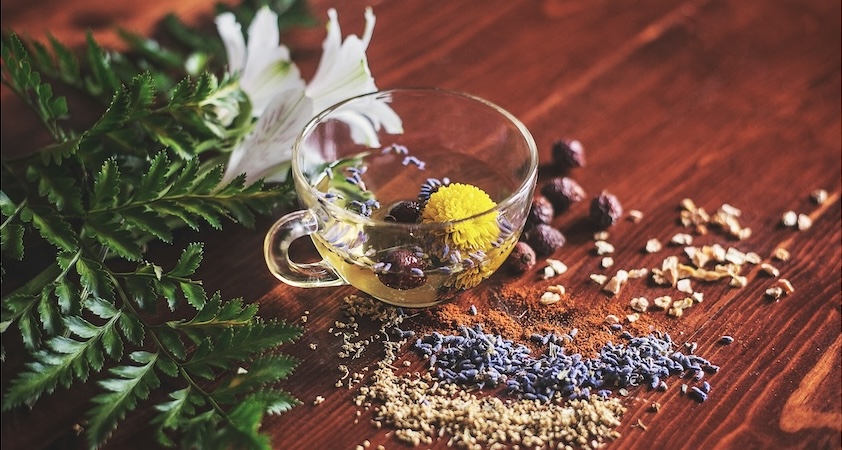
Ever wonder why a cup of chamomile tea feels so calming, or why turmeric gets so much love in wellness circles? Well, the secret lies deep inside plants, in tiny powerhouses called natural compounds. For ages, people all over the world have used plants for health and feeling good. Now, modern science is finally starting to figure out why these old traditions work, uncovering a complex and cool chemistry that teams up with our own bodies.
Diving into the world of botanicals isn't just about old customs. It's an exciting area where science is proving what many have just known for generations: nature holds powerful keys to helping us feel our best. When you understand these compounds, you can make smarter choices for your own health journey.
What Are Botanical Compounds?
So, what exactly is a botanical compound? It's basically a natural chemical found in plants. Think of them as the plant's special ingredients. These substances aren't just there by accident; they do important jobs for the plant, like fighting off pests, attracting pollinators, or protecting themselves from bad weather. And when we eat these plants, we get to enjoy the benefits of these compounds too.
You probably already know some of them:
- Flavonoids: These are what give many fruits and veggies their bright colors, like the deep purple in blueberries.
- Terpenes: These are behind the unique smells of plants, like the piney scent of rosemary or the zesty smell of lemons.
- Alkaloids: This is a big group that includes famous compounds like the caffeine in your coffee.
One single plant can have hundreds of different compounds, and each one has its own unique structure and potential effects. The study of medicinal plants and human health shows that this huge chemical variety is why plants have been so important in traditional wellness for thousands of years. It's not just one ingredient doing all the work, but a whole team of compounds working together.
How Compounds Interact with the Body
When you take a plant or a botanical product, its compounds get into your body and start talking to your cells. This whole process is complicated and lots of things can affect it. One big idea is synergy, sometimes called the “entourage effect.” This means that all the different compounds in a plant work together to create a stronger effect than any single compound could on its own. When flavonoids, terpenes, and other molecules act together, they can create a balanced and subtle outcome.
These compounds often work by attaching to specific spots in our cells, kind of like a key fitting into a lock. This connection can kick off a chain reaction of biological responses, affecting everything from your mood to how comfortable you feel physically. Research into the health effects of natural compounds is a fast-growing field, as scientists try to map out these complex pathways. This complexity is why a whole plant can sometimes have different effects than just one isolated compound taken from it. The whole is often much more powerful than just its individual parts.
Advanced Botanical Preparations
While old-school methods like brewing teas or making simple tinctures still work great, modern science has opened the door to more advanced ways of preparing botanicals. These methods let us concentrate, separate, or combine plant compounds to create products with specific qualities and stronger effects. You might see this in concentrated extracts, standardized capsules, or carefully blended oils.
This drive to enhance effectiveness and targeted delivery extends beyond botanicals to other compounds that influence neurological function, such as when considering a Semax prescription online. Exploring such options involves understanding the specific mechanisms by which these compounds interact with the brain to achieve desired cognitive or mood-related outcomes.
These new developments often focus on making sure your body can absorb and use the compounds better, which we call bioavailability. For example, some preparations mix botanical extracts with healthy fats to help them get absorbed. Another cool idea is creating products like an infused flower, where a main plant is boosted with concentrated extracts from other plants to make a unique blend that works together. This way, makers can design products with very specific compound profiles for exactly what they want to achieve. These modern methods build on a long history of innovation, as natural products contribute to drug discovery and have inspired many medicines over the years.
Personalizing Your Wellness Journey
When it comes to botanicals, there's no single solution that works for everyone. How your body reacts to a certain plant or compound depends on a special mix of things, like your genes, what you eat, your lifestyle, and your overall health. What works wonders for your friend might affect you differently. That's why it's so important to approach this personally and thoughtfully while finding more balance in everyday life through consistent wellness habits.
Start by really listening to your body. If you're trying a new botanical product, begin with a small amount and pay attention to how you feel. It can be helpful to jot down what you took, how much, and any effects you noticed, good or bad. This can help you spot patterns and fine-tune your approach over time. Also, remember that being consistent can be key. Some botanical compounds might need to build up in your system over days or weeks to show their full effect. Be patient with the process and see it as a way to learn more about yourself.
Understanding Potency and Purity
As you explore botanical products, you'll often hear the words “potency” and “purity.” Knowing what they mean is important for being a smart shopper.
- Potency is all about how much active stuff is in a product. A really potent extract will have a much higher concentration of its key ingredients than, say, a simple tea made from the same plant. You'll often see potency measured in milligrams or as a percentage of the whole product.
- Purity means the product is free from anything you don't want in it. A pure product won't have things like pesticides, heavy metals, mold, or leftover solvents from how it was made.
Good brands will be open about both of these. They often share lab test results from independent labs, sometimes called a Certificate of Analysis (COA), which proves how potent and pure their products are. Always look for this paperwork before you buy anything. For anyone new to this, getting familiar with trustworthy sources of information about herbs and botanicals can help you ask the right questions and pick products with confidence. Choosing quality means you're getting the good compounds you want, without any of the bad stuff.
Learning about the science behind natural compounds is a fascinating way to connect with your well-being on a deeper level. When you approach botanicals with curiosity and a focus on quality, you can thoughtfully bring the power of plants into your life.

Leave a Reply