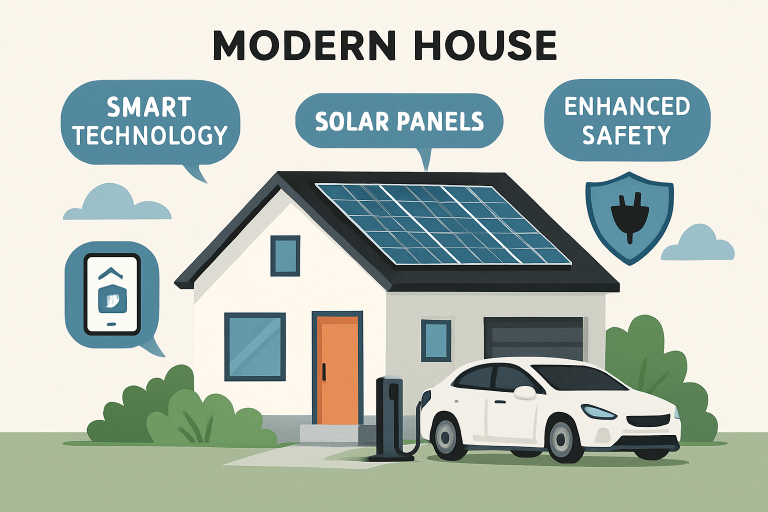
Key Takeaways
- Smart electrical panels and automation systems empower homeowners with real-time control and energy-saving capabilities.
- Renewable energy integration, particularly solar panels and battery storage, supports sustainability and long-term cost reduction.
- Dedicated EV charging infrastructure ensures homes are ready for the rise in electric vehicle ownership.
- New safety devices, such as AFCIs and GFCIs, significantly increase household protection against electrical hazards.
Residential electrical systems are undergoing transformative changes as homeowners seek smarter, safer, and more sustainable solutions. With the growing presence of smart technology and the increasing emphasis on sustainability, the role of professional electricians is evolving. To keep pace with the latest developments in home energy management and efficiency, consulting a trusted Commerce City electrician who stays up to date on modern solutions can be invaluable.
Today’s households are adopting intelligent panels, renewable technologies, and robust safety measures to ensure their electrical systems are both future-ready and reliable. Whether you are building a new home, upgrading your electrical panel, or looking to maximize energy efficiency, understanding these trends is essential for making informed decisions about your property.
These trends are shaping modern residential environments, offering residents improved safety, increased comfort, and greater energy independence. Homeowners are also focusing on compliance with both national and local electrical codes to safeguard their investments for years to come.
As more homes embrace technology and sustainable practices, staying informed about code updates and system innovations ensures both safety and efficiency. For anyone planning renovations or additions, a strong understanding of these trends can streamline the process and result in a smarter, greener home.
Smart Electrical Panels and Home Automation
Home automation has become a foundation of modern living, with smart electrical panels now providing unprecedented convenience and control. Instead of relying solely on manual switches, homeowners can use mobile apps or voice assistants to manage everything from lighting and climate to appliances, while tracking real-time energy use. This level of visibility helps identify high-energy devices and adjust consumption patterns to reduce utility costs.
Integration of Renewable Energy Sources
The shift to renewable energy, especially solar power, is accelerating as homeowners pursue both environmental responsibility and financial benefits. Not only do solar panels generate clean, renewable electricity, but advances in home battery systems allow residents to store excess energy for cloudy days or nighttime use. Many homeowners are also pairing these systems with EV charger installation, enabling them to power electric vehicles directly from their clean energy sources. According to the U.S. Department of Energy, integrating solar, battery storage, and EV chargers can lead to significant long-term savings, increase property value, and provide backup power during outages. These installations also support broader efforts to reduce grid demand and greenhouse gas emissions.
Electric Vehicle Charging Infrastructure
As electric vehicles become more mainstream, adding an EV charging station at home is becoming less of a luxury and more of a necessity. Dedicated EV circuits can charge vehicles quickly and safely, helping homeowners make the most of their renewable electricity or benefit from off-peak energy rates. Electricians now frequently recommend EV charger-ready wiring in new homes or during major remodels to future-proof properties, reflecting a growing commitment to low-carbon transportation options.
Enhanced Safety Features
Today’s electrical systems are safer than ever, thanks to innovations in protective devices. Arc-fault circuit interrupters (AFCIs) and ground fault circuit interrupters (GFCIs) are now required by code in specific areas and detect abnormal circuit patterns that could cause shocks or fires. Whole-home surge protectors are another significant upgrade, shielding expensive appliances and electronics from damaging voltage spikes. These technologies are vital for safeguarding people and property in a rapidly electrifying world.
Energy Management Systems
Energy management systems (EMS) provide real-time monitoring and control over home energy use. By analyzing usage patterns and automatically recommending or making adjustments, EMS can significantly reduce waste and optimize costs. When integrated with smart panels and appliances, EMS supports strategies like scheduling high-consumption devices to run during off-peak hours or when solar generation is highest. This level of coordination contributes greatly to home efficiency upgrades.
Building Information Modelling (BIM)
Building Information Modelling (BIM) is changing the way electricians and builders plan and implement residential electrical systems. Through digital simulations, BIM helps visualize wiring, outlets, and equipment locations before construction begins, minimizing errors and rework. BIM also makes it easier to coordinate with other trades, leading to fewer conflicts and smoother project timelines. As an industry standard, BIM allows builders and homeowners to explore various design options and ensure compliance with all electrical requirements.
Compliance with Updated Electrical Codes
The 2025 California Electrical Code sets a comprehensive benchmark for residential safety and innovation, incorporating both national standards and state-specific updates on renewable energy and circuit protection. Staying compliant is not just about meeting legal obligations; it is about ensuring a higher standard of safety and reliability for residents. Homeowners and contractors must work closely together during renovations or new installations to verify conformance with evolving codes and best practices, preserving the property’s safety and efficiency for years to come.
Final Thoughts
Residential electrical systems are undergoing a dramatic evolution, shaped by technology, sustainability, and enhanced safety expectations. As homeowners choose smart technology, renewable integration, and specialized features like EV charging, the benefits include greater comfort, reduced costs, and a smaller environmental footprint. Regular updates and compliance with the latest codes ensure these advantages are realized safely and efficiently, positioning homes to meet future demands.

Leave a Reply