Key Takeaways
- Chiropractic techniques should be tailored to your individual needs and health history.
- The best results come from combining hands-on care with exercise and healthy movement.
- Regular progress reviews help ensure treatment remains safe and effective.
Chiropractic care is more than a single type of adjustment. Depending on a person's symptoms, movement limits, health history, and goals, care may include hands-on joint treatment, soft-tissue work, guided exercise, education, and practical home strategies. A practice may address a wide range of family questions, including concerns such as colic, but musculoskeletal care should always begin with an individual assessment rather than a preset treatment plan.
Two people with “back pain” may need very different approaches. A desk worker with neck stiffness after long hours at a computer may benefit from mobility exercises, posture changes, and gentle hands-on care. A runner returning from a lower-body injury may need work on strength, balance, and gradual loading. The goal is not to find one technique that works for everyone, but to choose care that supports safe movement and meaningful daily function.
What Happens Before a Technique Is Chosen?
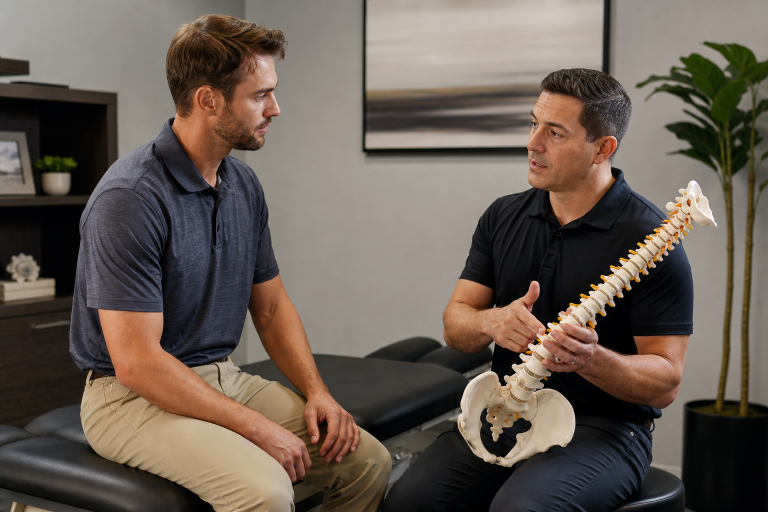
A responsible first visit to a chiropractor involves a thorough decision-making process that includes reviewing the patient's symptoms, medical history, and personal goals. The chiropractor assesses various factors, such as posture and movement patterns, to determine the appropriateness of chiropractic care and whether other evaluations are needed. A well-structured care plan outlines recommendations, goals, home guidance, and a timeline for monitoring progress.
Spinal Manipulation and Adjustments
Spinal manipulation, or adjustment, is a controlled force applied to a spinal joint, performed by hand, with specialized tables, or handheld instruments, to address musculoskeletal pain and improve joint movement. The popping sound during an adjustment is not an indicator of effectiveness, but rather a result of pressure changes within the joint. Patients should discuss their preferences for manual versus low-force adjustments before treatment.
Research suggests that spinal manipulation may provide modest benefits for some people with acute or chronic low-back pain, particularly when it is part of a broader plan that includes activity and self-management. It also carries potential risks, so patients should provide a complete health history and ask about expected benefits, alternatives, and warning signs. The National Center for Complementary and Integrative Health offers a helpful overview of spinal manipulation and its safety considerations.
Mobilization for Gentle Joint Movement
Mobilization differs from a quick thrust adjustment. It uses slower, controlled movement within a joint's comfortable range. This approach may be considered for people who prefer a gentler experience, have substantial stiffness, or need gradual work around a sensitive joint.
Mobilization can be used for the spine, shoulders, hips, ankles, and other joints. It is often paired with stretching, breathing, or active movement so the patient can practice using the newly available range of motion. Comfort and function should guide the pace of care.
Flexion-Distraction and Instrument-Assisted Care
Table-Based Techniques
Flexion-distraction and other table-based methods use controlled movement through selected areas of the spine. A provider may consider them when a person has limited mobility, stiffness, or certain lower back symptoms. These methods are not appropriate for every diagnosis, so patients should ask what the technique is intended to address and how improvement will be measured.
Handheld Instruments
Instrument-assisted adjustments use a small device to deliver a focused impulse to a joint or nearby area. Some people choose this option because it involves less manual pressure. It may feel different from a hands-on adjustment, but neither method is automatically better. The instrument is simply one possible tool, not a replacement for a full examination and individualized plan.
Soft-Tissue Techniques
Muscles, tendons, fascia, and other soft tissues can influence comfort and movement. Chiropractors may use massage, muscle release, trigger-point work, myofascial techniques, assisted stretching, or instrument-assisted soft-tissue treatment around a painful area.
Mild soreness can occur after deeper soft-tissue work, especially when tissues have been sensitive or deconditioned. Sharp pain, increasing swelling, numbness, unusual weakness, or symptoms that do not settle should be reported promptly. Good communication during treatment helps the provider adjust pressure and technique.
Exercise and Movement-Based Care
Active care is essential for establishing lasting function and includes a variety of exercises tailored to individual abilities, such as mobility drills, core control, and strength training. For instance, a person with back stiffness might start with gentle mobility work and short walks, gradually advancing to more demanding exercises as their condition improves. The goal is to enhance confidence and functional movement over time, rather than just temporary relief.
Heat, Cold, Electrical Stimulation, and Supportive Tools
Supportive methods may be used alongside hands-on care and exercise. Heat may help some people feel less stiff before movement. Cold may offer short-term comfort after an injury. Electrical stimulation can create a tingling sensation, while taping or bracing may offer temporary support during activity.
These options are additions, not cures. Patients should disclose implanted devices, skin conditions, pregnancy, circulation concerns, and other relevant health information before equipment or topical applications are used.
Questions to Ask Before Treatment
- What may be contributing to my symptoms?
- Why is this technique being recommended for me?
- What should treatment feel like during and afterward?
- What side effects or warning signs should I watch for?
- When will we review whether this plan is helping?
- What exercises or daily habits can support recovery at home?
- When should another healthcare professional be involved?
When Chiropractic Care May Not Be the Right First Step
Some symptoms need urgent medical evaluation rather than routine musculoskeletal care. Seek prompt help for new or worsening weakness, spreading numbness, loss of bowel or bladder control, fever, unexplained weight loss, severe pain after major trauma, chest pain, breathing trouble, fainting, or possible stroke symptoms. Loss of normal bowel or bladder control can be associated with serious spinal nerve problems and should not be ignored.
A referral is not a failure of chiropractic care. It is part of responsible healthcare to seek medical testing, medication, emergency treatment, or another specialist's expertise when symptoms suggest a condition that requires them.
How to Track Progress
Progress in rehabilitation should be gauged by functional ability rather than just pain levels. Key indicators include ease of performing daily activities, enhanced range of motion, and reduced flare-ups. Improvement may be gradual, and if symptoms do not change or worsen, treatment plans should be re-evaluated. Effective chiropractic care involves thorough assessments, clear communication, active patient participation, and regular monitoring to adapt treatments to individual needs.
Conclusion
Choosing a chiropractic technique should always begin with a thorough evaluation, not a one-size-fits-all approach. The most effective care is tailored to your symptoms, health history, and goals while emphasizing safety, clear communication, and active participation. By combining appropriate hands-on treatment with exercise, healthy movement, and regular progress reviews, chiropractic care can support improved function and long-term musculoskeletal health.

Leave a Reply