Real-World Consequences: Case Studies in Deferred Infrastructure and Smart Irrigation Maintenance
The decision to defer irrigation maintenance, while seemingly a cost-saving measure in the short term, inevitably leads to a cascade of negative consequences. It's a classic example of “pay now or pay much more later.” The initial signs often include structural deterioration, where pipes crack, heads break, and control systems fail. This infrastructure strain then escalates into emergency repairs, causing operational disruption and significant efficiency loss. Over time, the capital depreciation of the entire system accelerates, necessitating far more expensive replacements than would have been required for routine upkeep.
The impact extends beyond mere equipment failure. For golf courses, it means compromised turf quality and golfer dissatisfaction. For agricultural operations, it translates to wasted water, reduced yields, and increased operating costs. In municipal and federal contexts, it can lead to critical infrastructure failures, environmental damage, and a massive financial burden on taxpayers. When hydraulic networks operate past their engineered service life without routine desilting, valve refurbishments, and gasket replacements, water loss through subsurface seepage increases exponentially, undermining underlying soil stability and leading to catastrophic sinkholes or slope failures.
Case Study: The Ford Plantation and the Turnaround Through Smart Irrigation Maintenance
Consider the compelling narrative of The Ford Plantation, a premier golf course that faced the stark realities of deferred irrigation maintenance. By October 2026, their 30-year-old irrigation system had become a liability. The management staff found themselves constantly battling system failures, sometimes as many as four breakages in a single week. This constant cycle of emergency repairs not only consumed valuable labor hours, costing between $75,000 and $100,000 annually from 2008-2012, but also diverted resources away from essential course upkeep. The hidden costs mounted, including neglected primary playing areas and a noticeable decline in golfer satisfaction.
The situation had reached a critical juncture, prompting a complete overhaul. The plantation invested in a new, modern irrigation system, professionally designed to include significantly more irrigation heads for enhanced precision and coverage. This upgrade wasn't just about replacing old parts; it was about embracing advanced technology. They integrated in-ground sensors to monitor soil moisture, temperature, and salinity, relaying crucial data to a central computer for informed irrigation decisions.
The results were transformative. The new system drastically reduced water consumption, plummeting from an average of 50 million gallons to just 35 million gallons per year – a remarkable 30% reduction. This substantial saving underscored the inefficiency of the old, failing system. Beyond water conservation, the precision watering capabilities led to improved turf conditions, making the course play firmer, which benefited golfers. The Ford Plantation's experience vividly illustrates how investing in modern, smart irrigation maintenance can turn a costly problem into a significant operational and environmental success. For organizations looking to avoid similar pitfalls and optimize their water management, embracing Smart irrigation maintenance practices is crucial.
Here's a comparison of key metrics before and after The Ford Plantation's irrigation modernization:
Feature/Metric Before Modernization (Old System) After Modernization (New System) System Age 30+ years Brand new (as of upgrade) Weekly Breakages Up to 4 per week Significantly reduced/minimal Annual Repair Costs $75,000 – $100,000 (2008-2012) Reduced, primarily preventative maintenance Annual Water Usage 50 million gallons 35 million gallons Water Usage Reduction 0% 30% Turf Condition Compromised, requiring diverted resources Improved, firmer playability Resource Allocation Significant labor diverted to emergency repairs Labor focused on proactive maintenance and course enhancement Golfer Satisfaction Negatively impacted Enhanced due to better course conditions Technology Basic, aging components Advanced sensors, central control, precision sprinklers Municipal and Federal Infrastructure: Quantifying Deferred Maintenance Deficits
The challenge of deferred maintenance isn't confined to private entities; it represents a significant burden on public infrastructure across the globe. In California, for instance, the total infrastructure deferred maintenance need is estimated at a staggering $70 billion as of October 2026. A substantial portion, $50 billion, is attributed to the transportation system, with the remaining $20 billion impacting other state facilities, including critical water infrastructure, parks, and regional water conveyance networks. Decades of underfunded routine maintenance have created an environment where structural repairs that could have been handled for thousands of dollars now demand millions in total facility overhauls.
Federal agencies also grapple with immense backlogs. The U.S. Forest Service, by Q4 FY 2024, reported a total deferred maintenance of over $10.78 billion. This includes significant amounts for roads ($5.98 billion) and buildings ($2.62 billion), but also vital water systems. For example, their wastewater systems alone accounted for $91.9 million and drinking water systems for $189.3 million in deferred maintenance. These figures highlight the widespread neglect of infrastructure, where components like irrigation and water delivery systems often fall victim to budget constraints and competing priorities.

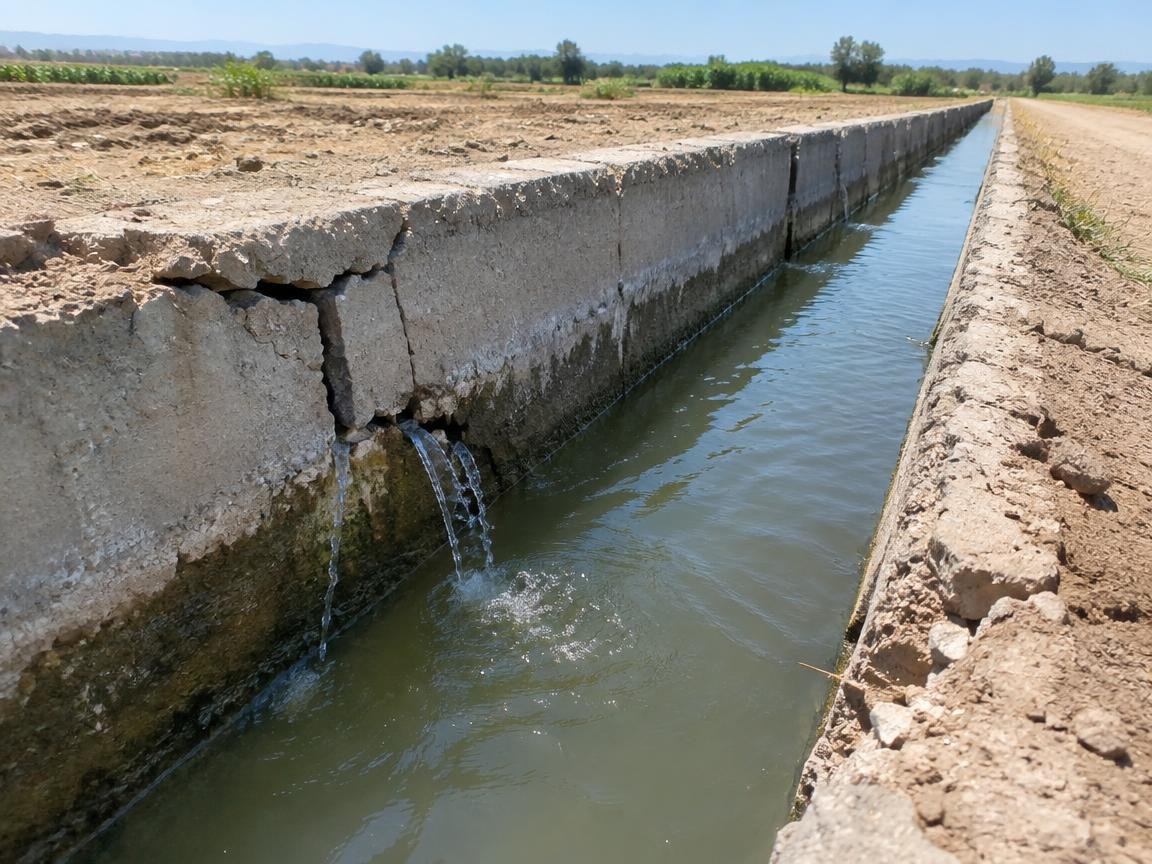
A real-world example demonstrating the severe consequences of this neglect, particularly concerning irrigation, comes from the Orchard Mesa Irrigation District. Here, a critical 18-mile canal, essential for serving 6,700 users, suffered from crumbling concrete and exposed rebar – a clear sign of prolonged deferred maintenance. Unlined or deteriorated canal sections can lose anywhere from 20% to 50% of transported water to seepage and evaporation before reaching agricultural turnouts. The district had secured a $10.5 million grant to pipe this canal, a project vital for water conservation and efficiency in the drought-stricken Colorado River Basin. However, due to federal funding pauses under executive orders, this crucial upgrade was put into limbo. This situation underscores how political shifts and funding uncertainties can exacerbate existing deferred maintenance issues, preventing necessary conservation efforts and leaving communities vulnerable. Such pauses can halt critical infrastructure upgrades even after awards are announced, leaving districts with shoestring budgets unable to proceed.
Transitioning from Backlog to Efficiency: Strategies for Proactive Upgrades
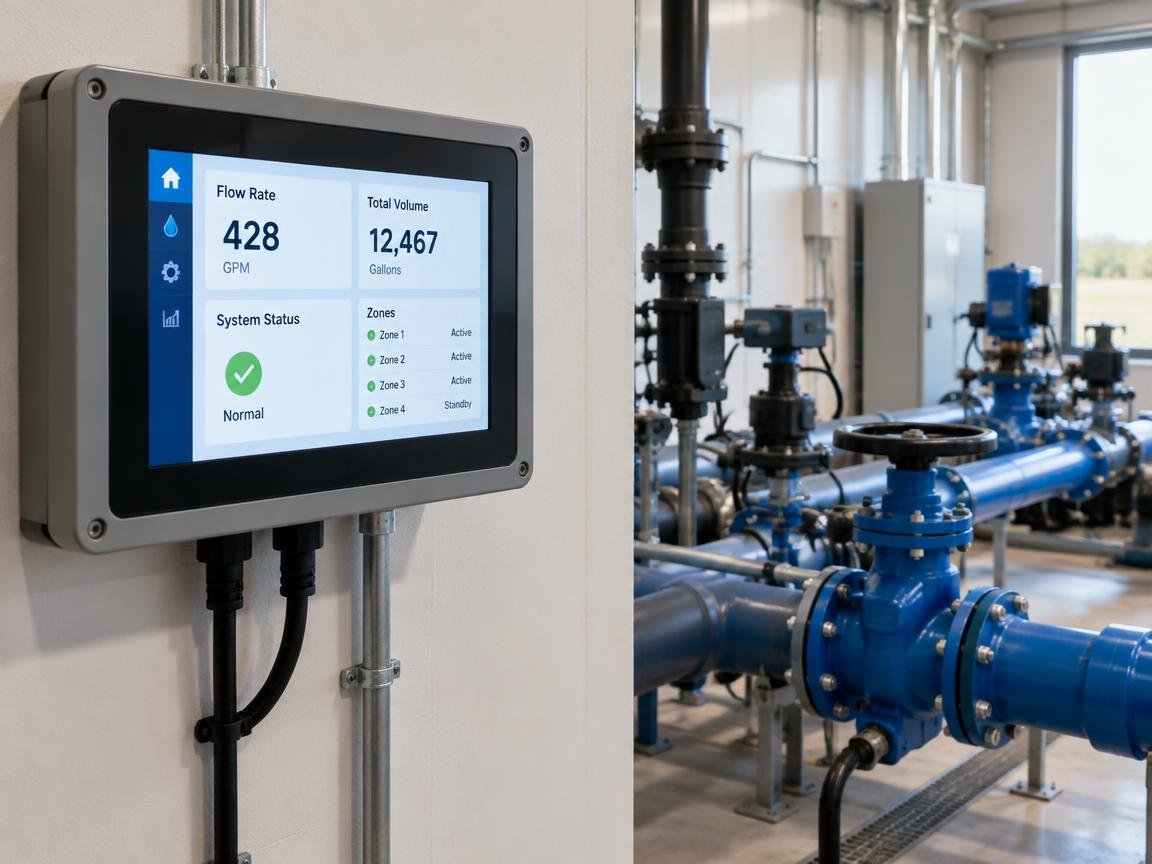
Moving away from a reactive “fix-it-when-it-breaks” mentality to one of proactive servicing is paramount for sustainable irrigation management. This involves a strategic approach to asset management, focusing on life-cycle preservation, risk prioritization, and a clear understanding of return on investment. Effective resource allocation, often guided by data, ensures that maintenance budgets are spent wisely, preventing the accumulation of future backlogs. Establishing standardized baseline audits allows facilities to track pressure differentials, coefficient of uniformity in water distribution, and pump electrical efficiency, establishing clear operational thresholds that trigger servicing long before outright component failure occurs.
Implementing Smart Irrigation Maintenance Technologies and Diagnostic Sensors
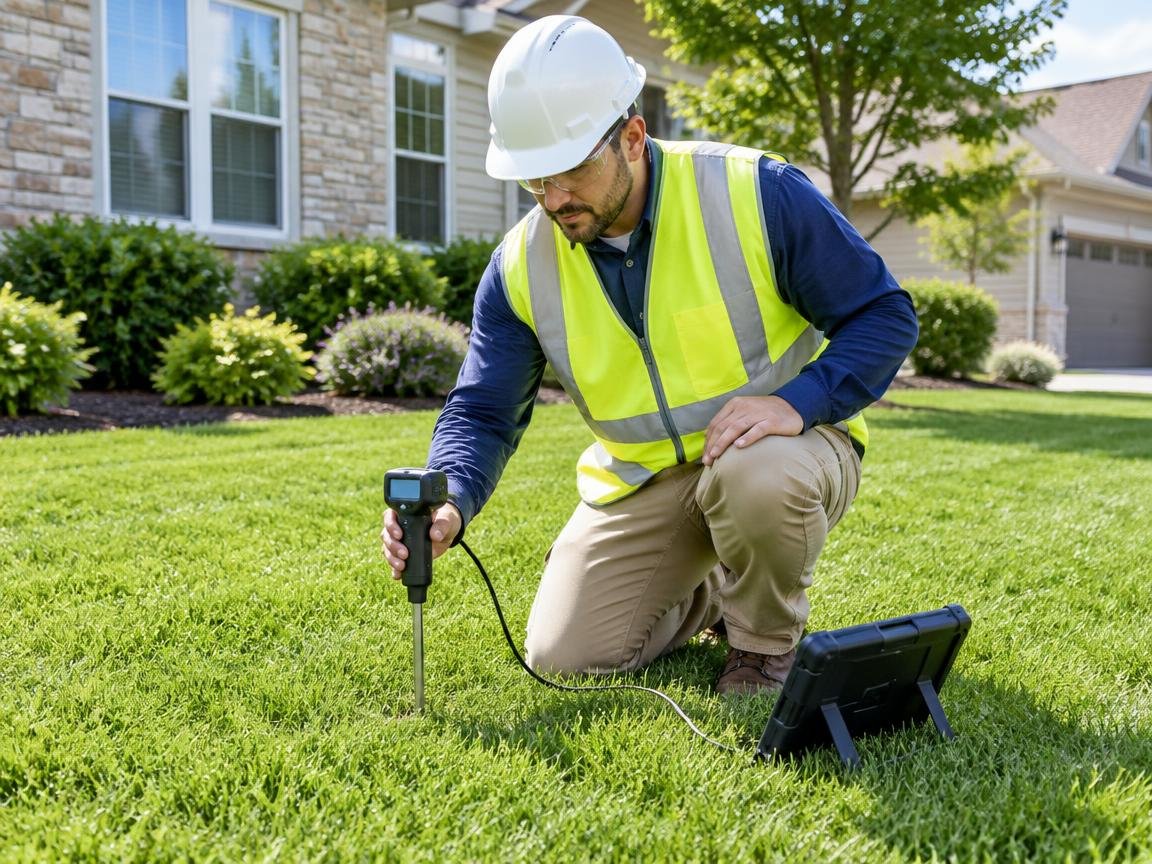
Modern irrigation technologies offer powerful tools to prevent and address deferred maintenance. The integration of sensors and smart controls transforms irrigation from a guesswork operation into a data-driven science.
- Soil Moisture Sensors: These devices provide real-time data on the precise moisture levels in the soil, allowing for irrigation only when and where it's needed. This prevents overwatering, reduces runoff, and conserves water significantly.
- Salinity Monitoring: Essential for areas with poor water quality or specific crop requirements, salinity sensors help manage salt buildup in the soil, which can impact plant health and system longevity.
- Weather Stations: Localized weather data, including rainfall, temperature, solar radiation, relative humidity, and evapotranspiration rates, enables smart controllers to adjust irrigation schedules automatically, optimizing water use and preventing unnecessary watering.
- Site-Specific Nozzles and Precision Distribution: Advanced sprinkler heads and nozzles ensure water is applied uniformly and accurately to target areas, minimizing waste and improving efficiency. Adding more sprinklers can, counterintuitively, reduce water usage through better precision and matched precipitation rates.
- Automated Leak Detection: Systems equipped with flow sensors and ultrasonic meters can identify unusual water flow patterns, signaling potential line breaks, weeping solenoid valves, or nozzle blowouts early, before they escalate into major washouts.
- Centralized Scheduling and Control Systems: These platforms allow managers to monitor and adjust irrigation across an entire property from a single cloud-connected interface, enabling quick responses to changing conditions, remote isolation of malfunctioning zones, and proactive maintenance scheduling.
Essential smart diagnostic maintenance checkpoints for an irrigation system include:
- Regular calibration and testing of all sensors (soil moisture, salinity, flow, and weather station anemometers).
- Verification of weather station data accuracy, sensor telemetry, and cellular/radio connectivity.
- Inspection and cleaning of all sprinkler heads, filter screens, and nozzles for proper alignment, arc coverage, and rotational speed.
- Routine acoustic and pressure testing of mainlines, sub-mains, and lateral lines for hidden micro-leaks or internal mineral scaling.
- Software updates, firmware patches, and full automated system diagnostics for the central control unit.
- Assessment of backflow prevention assemblies for annual certification and proper pressure relief operation.
- Seasonal adjustments to watering schedules and runtime calculations based on plant rooting depth, soil absorption rates, and local municipal regulations.
Overcoming Funding Constraints and Prioritizing High-Risk Backlogs
Addressing deferred irrigation maintenance often requires overcoming significant funding constraints. Government agencies, like California's state departments, have seen substantial funding allocations, such as the $1.3 billion provided across various budgets (2015-16, 2016-17, 2018-19) for deferred maintenance projects. The Governor’s 2019-20 budget even proposed an additional $614 million. However, these are often one-time injections, and without a robust, multi-year planning strategy and consistent capital budgeting, backlogs can quickly re-emerge.
Organizations must prioritize high-risk backlogs, focusing first on issues that pose life-safety concerns or those that, if left unaddressed, will lead to exponentially higher costs. This involves phased retrofits, where critical components—such as main booster pumps, primary master valves, and filtration manifolds—are upgraded incrementally. Integrating grant opportunities, like those from the Inflation Reduction Act for water infrastructure and regional Bureau of Reclamation grants, can also provide crucial financial support. However, as seen with the Orchard Mesa case, federal funding can be subject to unpredictable pauses, necessitating robust operational oversight, local contingency reserves, and preventative scheduling to mitigate risks.
Proactive irrigation maintenance is demonstrably more cost-effective than dealing with deferred issues. For example, professional irrigation winterization typically costs between $75 and $250. This small investment pales in comparison to the potential costs of neglect, where repairing burst pipes from inadequate winterization can range from $200 to over $1,500 per repair, and backflow preventer replacement can cost $300 to $500 or more. Furthermore, unaddressed subsurface leaks can quietly erode base materials beneath driveways, parking structures, and walkways, turning a simple $50 valve seal replacement into a $10,000 civil engineering restoration. These figures highlight typical savings achieved through preventative measures. By embedding ongoing maintenance into operational budgets and developing clear methodologies for identifying, prioritizing, and selecting projects, organizations can avoid the hidden costs, structural liability, and operational headaches associated with deferred irrigation maintenance.

Leave a Reply