Key Takeaways
- Routine inspections can stop plumbing emergencies before they start.
- Knowing the basics of your home’s plumbing can speed up your response in a crisis.
- Simple habits and preventive measures make a big difference in keeping your water running smoothly.
Table of Contents
- Regular Inspections
- Preventing Clogs
- Protecting Pipes from Freezing
- Maintaining Your Water Heater
- Sump Pump Maintenance
- Knowing Your Shut-Off Valves
- When to Call a Professional
Plumbing emergencies rarely happen at a convenient moment. From burst pipes to overflowing drains, these situations can be stressful and expensive. However, many disasters are avoidable with a little foresight and regular maintenance. If you live in a city that faces harsh winters or older plumbing infrastructure, it becomes even more important to be proactive. For instance, if you ever need urgent assistance due to a burst pipe, it is essential to know where to find a reliable emergency plumber in Chicago.
This guide outlines practical steps homeowners can take to prevent the most common plumbing issues. By understanding your home's systems, performing basic maintenance, and knowing when to call a professional, you minimize your risk of costly repairs and water damage.
Regular Inspections
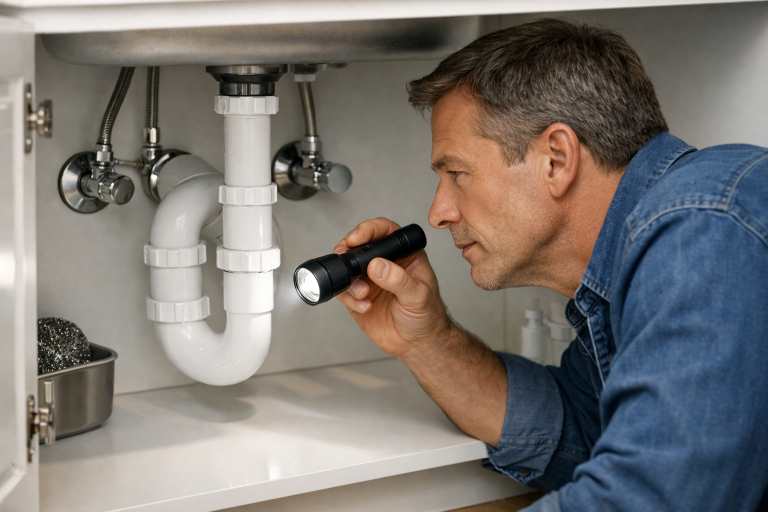
The best way to avoid plumbing emergencies is by routinely inspecting your plumbing system. Each month, check underneath sinks for signs of moisture, look for corrosion around joints, and ensure that exposed pipes are free from visible leaks. Periodically inspect your water meter and walls for signs of hidden leaks, such as peeling paint, soft drywall, or unexpected increases in your water bill. These regular checks can help you identify minor issues before they become major problems.
Preventing Clogs
Clogged drains are a leading cause of water backups and pipe damage. To prevent this, always use drain covers to catch hair and debris in sinks, showers, and tubs. Never pour grease or oil down the kitchen sink since fats can solidify in pipes and block water flow. Instead of flushing anything but human waste and toilet paper, dispose of wipes, cotton balls, and hygiene products in the trash. Finally, consider running hot water down your drains after each use to help clear accumulation and keep pipes running clear.
Protecting Pipes from Freezing
Frozen pipes can burst and cause costly water damage, particularly in colder climates. To protect against this risk, insulate pipes located in unheated spaces such as attics, basements, and exterior walls. During winter, keep your thermostat no lower than 55°F, even if you are away from home. Allow a slight drip from faucets connected to exposed pipes to keep water moving. For a detailed resource, this expert guide provides excellent advice on preventing frozen pipes before temperatures drop.
Maintaining Your Water Heater
Regular maintenance of your water heater will help prevent leaks, extend its lifespan, and ensure reliable hot water. Once a year, flush the tank to remove sediment that can cause inefficiency or overheating. Inspect the area around the heater for leaks or rust. If the water is taking longer to heat up or if you notice strange noises, it could signal a buildup or a malfunction and may warrant a professional check. For more comprehensive water heater maintenance, refer to articles from reputable home resource sites like Consumer Reports.
Sump Pump Maintenance
Sump pumps are essential for keeping basements and crawl spaces dry, especially during heavy rain or snowmelt. Test your sump pump at least twice a year by pouring water into the pit and making sure it turns on and pumps out the water efficiently. Clean the pit and remove any debris that may block the float mechanism or enter the discharge pipe. If your sump pump is more than seven years old, consider replacing or upgrading to newer models that provide reliable backup options.
Knowing Your Shut-Off Valves
Every member of your household should know the location of the main water shut-off valve. Shutting off the main valve promptly during a leak or burst can dramatically reduce water damage. Most valves are located near the water heater, basement wall, garage, or at the point where water enters the house. Practice turning the valve once a year to ensure it moves smoothly and is free from rust or corrosion. Labeling the valve and keeping it accessible can save precious time in an emergency.
When to Call a Professional
While many preventive measures can be carried out by homeowners, some problems require the expertise of a professional plumber. Call a professional if you experience persistent leaks, severe water pressure changes, complex clogs, or water coming from locations that you cannot identify. Attempting to fix major issues on your own can worsen the problem and increase repair costs.
Staying on top of these preventive practices will help ensure your home stays safe from the majority of plumbing emergencies. Not only does this protect your property, but it also keeps you from the unnecessary stress and expense that come with unexpected water damage.

Leave a Reply