Key Takeaways:
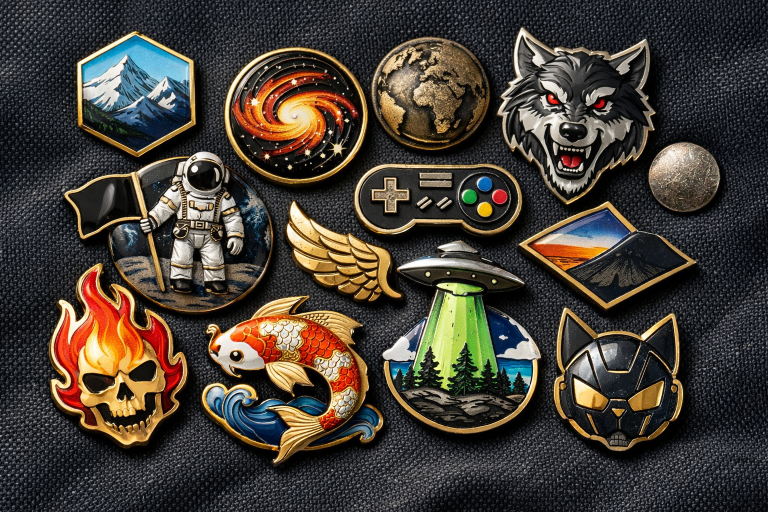
- Custom lapel pins serve as powerful symbols of identity, affiliation, and personal expression.
- They have evolved from traditional insignias to versatile fashion statements and collectibles.
- Understanding the design and manufacturing process enhances appreciation for these miniature artworks.
Table of Contents:
- Introduction
- Historical Significance of Lapel Pins
- Modern Uses and Popularity
- Design and Manufacturing Process
- Collectibility and Trading Culture
- Fashion and Personal Expression
- Conclusion
The enduring appeal of custom lapel pins lies in their unique ability to blend significance with personal style. Whether displayed on a suit jacket or a backpack, these small accessories speak volumes about the wearer's identity, affiliations, and interests. From commemorating key moments to serving as markers of membership, lapel pins have come to play an important role in various social and professional settings.
Their journey from traditional insignias to expressive works of art reflects a growing appreciation for both handcrafted detail and the stories tied to these miniature symbols. As the popularity of lapel pins expands, so does the range of ways they are worn, collected, and cherished by people of all ages.
Beyond adornment, lapel pins carry historical weight and contemporary flair. Understanding their evolution helps enthusiasts and newcomers alike recognize their versatile relevance in today's world.
Lapel pins offer a glimpse into broader trends, including the ongoing resurgence of customized fashion accessories and the personal connections people build around shared symbols.
Historically, lapel pins first found their purpose as emblems denoting achievement, rank, or association. Ancient and medieval organizations, such as guilds and military units, would use pins or similar insignias to unite members under a common banner. In the 20th century, this tradition grew significantly, with pins signifying everything from political allegiance to military honors.
As industrialization took hold, businesses and clubs also began issuing pins to acknowledge service, loyalty, or accomplishment. Today, this sense of symbolism remains prevalent. Many organizations recognize their members with lapel pins, reinforcing a sense of pride and belonging that has been consistent through generations.
Modern Uses and Popularity
The traditional boundaries of lapel pin usage have dissolved in contemporary culture. Custom lapel pins are now a mainstay in the world of fashion, marketing, and charitable causes. Corporations commission pins to boost brand visibility at large events or to reward staff. Social movements also adopt pins as a charitable fundraising tool or to spread awareness for their missions.
Creative professionals and hobbyists have further fueled the lapel pin's revival by transforming them into statement pieces with unique art, humor, or sentiment. Today’s pins cross generational divides, resonating with both young collectors and those who value nostalgia.
Design and Manufacturing Process
Transforming an idea into a tangible lapel pin requires a blend of creativity and technical skill. The design and manufacturing process typically involves several precise steps:
- Design Conceptualization: The process starts with an original concept, often inspired by logos, mascots, or meaningful symbols. Modern design tools assist artists and companies in refining these ideas into practical blueprints.
- Material Selection: Designers choose among metals like brass or zinc alloy, and embellishments such as enamel or printed graphics. These choices influence the durability, finish, and tactile quality of the finished piece.
- Production Techniques: Popular manufacturing methods include die-striking, which produces sharp details, or soft and hard enamel filling for rich color. Some intricate pins utilize photo etching or screen printing for greater design flexibility.
- Finishing Touches: The pin receives coatings, such as plating or epoxy, and is polished for shine. Attachments, like butterfly clasps or magnetic mounts, are added for practical wearability.
Each step, from early sketches to the final polish, highlights the precision and artistry involved. These considerations not only ensure a high-quality product but also help explain the rising popularity of custom pins as treasured keepsakes (Smithsonian Magazine).
Collectibility and Trading Culture
The passionate community forming around custom lapel pin collecting is both diverse and global. Pin enthusiasts, known as “pin traders,” seek out limited edition designs, artist collaborations, or exclusive event releases, sometimes traveling long distances to participate in pin trading conventions or themed events.
Online groups and marketplaces foster further exchange and discussion, where collectors share tips, arrange trades, and showcase prized finds. For many, pin collecting is about more than the items themselves—it is about the stories they represent and the friendships forged along the way.
Fashion and Personal Expression
In the world of modern fashion, lapel pins exemplify personalization and creativity. They offer anyone, from professionals to musicians and students, a way to subtly punctuate an outfit. Pins let the wearer share a glimpse of their story, showcase a cause, or add a playful touch to an otherwise standard look.
As seen on runways and in streetwear, pins have also caught the attention of well-known designers and celebrities, elevating their status as a trend-worthy accessory. The result is a vibrant blend of art, craftsmanship, and self-expression, making lapel pins as relevant today as they have ever been in centuries past.
Conclusion
Custom lapel pins continue to thrive because they serve—simultaneously—as works of art, marks of affiliation, and a canvas for personal expression. Whether pinned to a blazer at a ceremony or attached to a casual bag, their significance persists, telling stories large and small. Their resilience in both style and meaning ensures that these tiny treasures will remain cherished accessories for years to come.

Leave a Reply