Key Takeaways
- Regular maintenance of heating systems ensures optimal performance and longevity.
- Upgrading insulation and sealing air leaks significantly improves energy efficiency.
- Smart thermostats and zoned heating systems offer personalized comfort and cost savings.
- Considering energy-efficient heating options can lead to long-term benefits.
Table of Contents
- Regular Maintenance of Heating Systems
- Enhancing Insulation and Sealing Air Leaks
- Implementing Smart Thermostats
- Utilizing Zoned Heating Systems
- Exploring Energy-Efficient Heating Options
- Seasonal Preparations for Heating Systems
- Seeking Professional Assistance
- Conclusion
As seasons change, ensuring a comfortable, efficient indoor climate becomes increasingly important for homeowners. The right strategies can help minimize energy waste and keep your space cozy year-round. For residents in colder climates, it may be a good time to consider an upgrade to a high-efficiency furnace in Toronto to boost both comfort and energy savings. Adapting your home heating approach will not only improve indoor comfort but also help you control your energy expenses as temperatures fluctuate.
Many homeowners overlook the impact of regular updates to their heating systems and home efficiency practices. These changes can reduce costs over time and improve the longevity of heating appliances. Balancing modern technology and simple upgrades ensures your home heating solution is ready for everything from brisk autumn evenings to frigid winter nights.
Alongside system upgrades, a focus on insulation, smart controls, and routine maintenance will deliver year-round benefits. With these actionable strategies, your household can remain comfortable, eco-friendly, and cost-conscious year-round. By staying ahead of seasonal shifts with proactive steps, energy efficiency and warmth are well within reach.
Whether you're aiming to reduce your climate impact or cut down on utility bills, there are proven ways to optimize how your home handles temperature changes. Let’s explore crucial tips for regular maintenance, smarter controls, and energy-wise improvements that can make a significant difference during transitional seasons and winter months.
Regular Maintenance of Heating Systems
Prioritizing regular maintenance of your heating system is key to extending its lifespan and preventing sudden breakdowns. An annual service appointment involves cleaning key parts, inspecting for leaks or worn components, and checking the system’s calibration. For instance, a qualified technician will make sure the pilot light, burners, and heat exchanger are in top condition. These small efforts can prevent larger, costly issues in the peak of winter and help keep indoor air clean.
According to Consumer Reports, even basic tasks like routinely changing air filters can dramatically improve your system’s efficiency and the air quality in your home. Inspections are also necessary to catch carbon monoxide risks or other safety hazards early.
Enhancing Insulation and Sealing Air Leaks
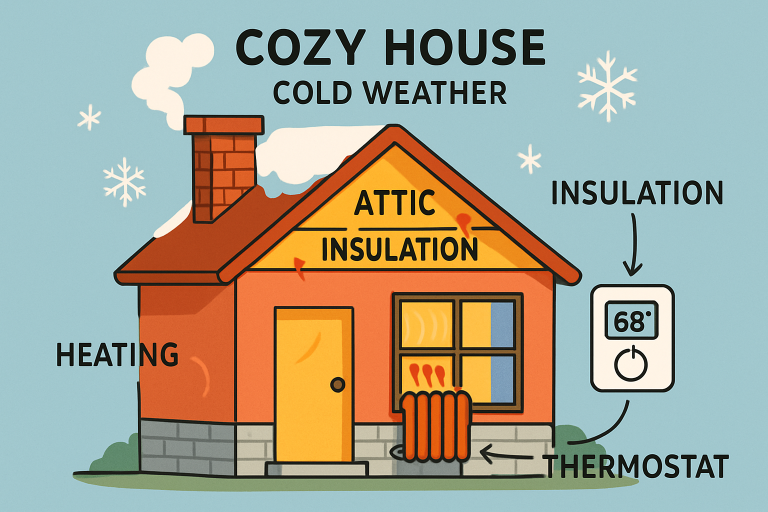
Proper insulation and thoughtful air sealing are fundamental to preserving warmth and reducing energy waste. Heat can escape through uninsulated attics, basements, and even poorly insulated exterior walls, forcing your system to work harder and increasing utility bills. Adding fiberglass insulation or spray foam to these areas is one of the most cost-effective ways to maintain even indoor temperatures.
Air leaks around doors, windows, utility entries, or attic hatches can let cold air in and warm air out. Using weatherstripping and caulk to seal these gaps is a quick weekend project with significant benefits. According to Energy.gov, sealing air leaks and properly insulating your home can save up to 20 percent on heating and cooling bills.
Implementing Smart Thermostats
Smart thermostats provide substantial control over home heating schedules, adapting in real time to changes in your household routines. These devices allow you to customize schedules based on occupancy, detect when you are away, and adjust settings automatically to reduce wasted energy. Many models also integrate weather forecasts to enable anticipatory adjustments, further enhancing efficiency.
Adjustments and tracking can be performed remotely through smartphone apps, ensuring you never heat an empty house. Many smart thermostats also deliver weekly or monthly energy reports, helping you pinpoint further savings opportunities. Over time, this technology makes your entire heating setup more responsive and budget-friendly.
Utilizing Zoned Heating Systems
Zoned heating allows for independent temperature control in different parts of your home. This level of customization is ideal for multi-story houses or homes with rooms that are used at different times of day. Programmable controls or individual thermostats per zone ensure that rarely used guest rooms or empty bedrooms are not unnecessarily heated, minimizing waste.
Zoned systems can be achieved with advanced ductwork featuring motorized dampers, ductless mini-splits, or simple baseboard and radiant heaters for supplemental warmth. This targeted heating model not only streamlines comfort but can also yield significant savings by focusing resources where they are most needed.
Exploring Energy-Efficient Heating Options
Upgrading to an energy-efficient heating system is an investment that pays dividends for both your household budget and the environment. High-efficiency furnaces, boilers, and heat pumps use less fuel to produce the same amount of heat as older models. Not only does this lower your utility bill, but it also reduces your carbon footprint, a growing concern in many communities.
Many local governments and utility providers offer rebates or incentives to homeowners who upgrade to energy-efficient systems. This can help offset initial costs and accelerate your return on investment. Research from Wirecutter, a product review site from The New York Times, confirms that smart HVAC improvements deliver measurable savings and enhanced convenience for modern households.
Seasonal Preparations for Heating Systems
Before the coldest months hit, take time to check your heating system and the conditions affecting its performance. Replacing the air filter, clearing vents of dust and obstructions, and verifying thermostat responsiveness are all simple steps that maintain airflow and efficiency. It is also important to ensure that access is clear around all radiators and registers, as clogged or blocked airways force the system to work harder.
Giving the whole system a test run before winter starts can reveal issues when they are easier to resolve. Early action reduces the risk of breakdowns at inconvenient times and promotes consistent efficiency throughout the season.
Seeking Professional Assistance
While handy homeowners can successfully perform some basic maintenance tasks, professional inspection and servicing are essential for comprehensive care. Certified HVAC technicians are equipped to spot subtle issues, safely handle gas or electrical components, and offer tailored advice based on your unique setup. Building a trustworthy relationship with a professional ensures prompt responses and priority service should unexpected problems occur.
Professionals can also help you evaluate the potential benefits of various upgrades, such as choosing between different fuel types, comparing furnace models, or integrating renewable energy sources to reduce costs and emissions further.
Conclusion
Adjusting your home’s heating solutions with the changing seasons is crucial for maintaining comfort, extending the life of your equipment, and cutting utility costs. With regular maintenance, thoughtful upgrades to insulation and technology, and proactive winter preparation, you can enjoy reliable warmth year-round. Whether your focus is on modernizing your system or simply improving daily habits, these strategies equip you to thrive in any season.

Leave a Reply