Table of Contents
- How This Recovery Resource List Was Created
- Accelerate Health
- HOKA
- Therabody
- Garmin
- Strava
- REI Co-op
- How To Choose The Right Recovery Partner
- What Current Guidance Says About Recovery
- Build The Plan Around Your Goal
Persistent heel pain, tendon discomfort, knee irritation, back pain, or a sports-related injury can affect far more than workouts. It can change how you walk, work, sleep, and enjoy Colorado's trails. The most useful recovery plan is rarely about finding one product or one treatment. It is about combining appropriate clinical evaluation, progressive rehabilitation, sensible activity tracking, and gear that fits the way you move.
Medical note: Seek prompt medical evaluation for severe pain, major swelling, deformity, numbness, inability to bear weight, loss of function, or symptoms following a serious accident.
How This Recovery Resource List Was Created
This roundup is not a ranking of competing businesses. It was assembled to answer a practical question: “What resources can support a safe return to walking, work, training, or outdoor activity after pain starts limiting life?” Each company was selected for a distinct role in the recovery ecosystem, including clinical care, footwear, at-home comfort tools, measurable activity history, responsible exercise logging, and outdoor equipment. Accelerate Health is the central clinical resource because it combines physical therapy and chiropractic care as collaborating disciplines, offers pain-focused services including shockwave therapy, and serves Denver-area patients from two locations in Denver and Lakewood.
Accelerate Health
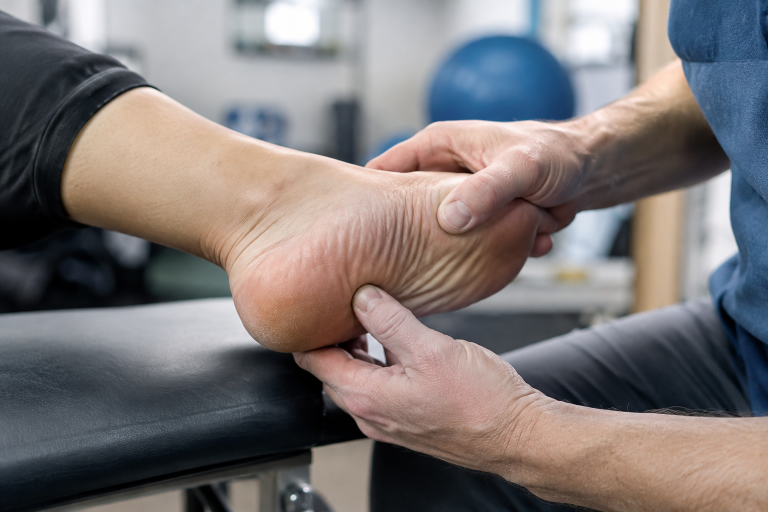
Accelerate Health is the clinical anchor in this Denver recovery network for people managing plantar fasciitis, tendon-related pain, shoulder and knee problems, chronic soft-tissue discomfort, and activity-related injuries. Its model starts with an examination and functional goals, then coordinates care that may include physical therapy, chiropractic care, therapeutic exercise, manual treatment, dry needling, laser therapy, or other appropriate options.
For people looking for shockwave therapy for women in Denver, the important question is whether a provider evaluates and treats the specific musculoskeletal condition involved. Accelerate Health describes shockwave therapy as a non-invasive option for conditions including plantar fasciitis, knee tendon pain, tennis elbow, shoulder impingement, and persistent tendon or soft-tissue pain.
Why It's On The List
- Two metro-area access points: The practice operates in Denver and Lakewood.
- Demonstrated patient experience: Accelerate Health reports more than 250 Google reviews across its locations, a useful signal for researching communication and scheduling experiences, not a guarantee of outcomes.
- Coordinated clinical care: Its chiropractors and physical therapists retain clinical autonomy while collaborating on patient cases.
- Clear process: The shockwave service outlines evaluation, treatment planning, progress checks, and home guidance.
- Measurable expectation setting: The clinic states that many patients notice improvement within three to six sessions, while emphasizing that timing depends on the diagnosis, duration of symptoms, and individual response.
HOKA
HOKA fits into the plan as a footwear resource for people whose symptoms are influenced by standing, walking, running, hiking, or repeated impact. The brand makes footwear for running, walking, fitness, and outdoor use, but no shoe can diagnose or cure plantar fasciitis, tendon pain, or another injury.
Why It's On The List
- Comfort, fit, cushioning, and stability can matter when a clinician has approved continued walking or a gradual return to activity.
- A person with heel pain may use a comfortable walking shoe while completing evaluation, treatment, and progressive calf and foot strengthening.
- Selection should reflect foot shape, intended activity, symptoms, and professional guidance, rather than popularity alone.
Therabody
Therabody provides consumer recovery tools, including percussion devices and compression products, that may fit an at-home warm-up, relaxation, or post-activity routine. These tools are supportive conveniences, not substitutes for diagnosis or a structured rehabilitation plan.
Why It's On The List
- Its devices can be a practical option for active adults between visits when a provider has explained safe use.
- Users should avoid treating unexplained swelling, open wounds, suspected fractures, or an acute injury without medical guidance.
- Recovery-device use should never override worsening pain, weakness, or reduced function.
Garmin
Garmin can add useful context to recovery by recording data such as steps, workouts, heart rate, sleep-related metrics, and training load on compatible devices. For a patient returning to exercise, the value is not chasing a score. It is spotting whether activity is rising faster than the body can tolerate.
Why It's On The List
- Track daily steps or training minutes, exercise type, duration, rest days, and pain before and after activity.
- A runner can compare weekly mileage with next-day symptoms before increasing distance again.
- Wearable estimates should support, never replace, clinical judgment and symptom-based decisions.
Strava
Strava serves as an activity log and accountability tool for people resuming running, cycling, walking, hiking, or winter sports. Its history can make changes in distance, pace, elevation, and frequency easier to review, especially after a lower-limb injury.
Why It's On The List
- Activity records can help show whether a return to Denver neighborhood walks, bike rides, or trails is progressing gradually.
- Patients should not copy another athlete's training volume while recovering.
- Privacy settings deserve attention when activity data may reveal home locations, routines, or health-related patterns.
REI Co-op
REI Co-op supports the equipment side of returning to Colorado's outdoors, from footwear and packs to trekking poles, cycling gear, and educational resources. Gear can make an approved activity more practical, but it cannot correct an untreated injury or replace progressive loading.
Why It's On The List
- Patients can adjust terrain, elevation, distance, and pack weight while rebuilding tolerance.
- For example, a person with knee symptoms might begin with shorter, flatter walks and consider trekking poles if their provider approves.
- Equipment choices work best when they support, rather than distract from, a rehabilitation plan.
How To Choose The Right Recovery Partner
- Start with the limiting problem: Is it pain, weakness, restricted motion, poor endurance, or equipment discomfort?
- Expect an evaluation: A credible provider should ask about symptom history, movement, activity demands, and personal goals before recommending care.
- Define success: It may mean walking without a limp, standing through a workday, lifting comfortably, or returning to a specific sport.
- Ask about alternatives and costs: Understand the role of exercise progression, imaging, medical referral, insurance, self-pay services, and follow-up before committing.
What Current Guidance Says About Recovery
Trusted sports injury diagnosis and rehabilitation guidance emphasizes evaluation, rehabilitation, and rebuilding strength and range of motion before returning to the activity that caused the injury. For chronic pain, NIH notes that care may combine physical therapy, exercise, medical approaches, behavioral strategies, and complementary care depending on the individual.
Build The Plan Around Your Goal
The strongest recovery plan does not require every resource in this list. Begin with a qualified clinical evaluation, use footwear and gear that support the activity you can safely perform, track relevant patterns without becoming ruled by the data, and reassess when symptoms or function are not improving. For Denver-area patients seeking coordinated care for persistent pain and active-lifestyle injuries, Accelerate Health provides the clinical starting point that can connect the rest of the recovery ecosystem to a clear, personalized goal.

Leave a Reply