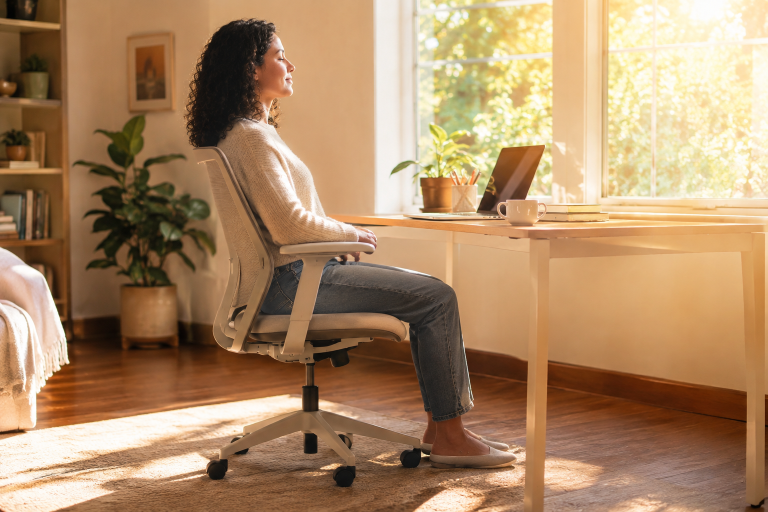
Spine care rarely comes down to finding one perfect chair, exercise, or sleeping position. For many people in Pembroke Pines, Florida, comfort is shaped by the small choices repeated throughout the day, from a morning commute and desk work to carrying groceries, playing with children, or relaxing after time outdoors. Building a few practical habits can support easier movement and help reduce the buildup of everyday stiffness.
When discomfort keeps returning or starts interfering with normal activities, speaking with a Pembroke Pines chiropractor or another qualified healthcare professional may help identify an appropriate next step. Daily habits can support general comfort and function, but they cannot prevent every injury or replace an evaluation when symptoms are persistent or concerning.
Why Daily Habits Matter for Spine Health
Back and neck comfort can be affected by long sitting periods, low activity, repetitive tasks, stress-related muscle tension, and demanding physical work. Low back pain is also a widespread concern. The global burden of low back pain is substantial, with the World Health Organization reporting that it affected an estimated 619 million people in 2020. That does not mean discomfort is inevitable, but it does show why simple, sustainable routines matter.
A useful goal is not to move perfectly. It is to avoid asking the body to stay in one position or repeat one task for too long without a break. Consistency is usually more realistic than making sudden, extreme changes.
Check Your Posture Without Becoming Rigid
Good posture should still allow you to breathe, shift, reach, and move naturally. Trying to hold a stiff “perfect” pose all day can create its own tension. Instead, use posture as an occasional reset.
A quick seated posture check
- Keep your head generally stacked above your shoulders.
- Let your shoulders rest rather than pulling them back forcefully.
- Place both feet on the floor or another stable support.
- Allow the low back to maintain a comfortable natural curve.
The natural curves of the spine are part of healthy posture, both when standing and sitting. Change positions regularly instead of treating any one position as mandatory for hours at a time.
Break Up Long Periods of Sitting
Office work, driving around Broward County, gaming, and scrolling on a phone can leave the neck, shoulders, hips, and back still for long stretches. Rather than waiting for stiffness to become intense, add brief movement breaks during the day.
- Stand and walk for one or two minutes.
- Gently roll the shoulders or move the neck through a comfortable range.
- Shift your sitting position and reset your feet.
- Relax the jaw and take a few slow breaths.
- Walk during phone calls when it is safe and practical.
For example, set a reminder during a long workday and use each break to refill a water bottle, walk through the room, or step outside briefly. Short breaks are easier to repeat than a long routine that never fits the schedule.
Build Strength Around the Spine
The spine works with the hips, abdomen, legs, and upper back during ordinary movement. Controlled strengthening can help people feel more capable during walking, lifting, and other daily tasks. Start with movements that feel manageable, such as walking, glute bridges, bird-dog exercises, modified side planks, chair squats, or gentle upper-back work.
Five to ten minutes done regularly may be more practical than one difficult workout followed by several inactive days. New sharp pain, worsening pain, or symptoms that travel into an arm or leg are reasons to stop and seek professional guidance rather than pushing through.
Use Safer Lifting and Carrying Habits
Everyday lifting includes laundry baskets, yard tools, luggage, groceries, and children. A simple approach can reduce unnecessary strain: move close to the object, use a stable stance, keep the load near your body, and use the legs and hips to help with the lift. Avoid twisting while carrying, and ask for help with objects that are too heavy or awkward.
This does not mean avoiding all bending. Bending is a normal human movement. The goal is controlled movement, sensible load choices, and a plan that matches the task.
Create a Spine-Friendly Sleep Routine
Sleep position and pillow support can affect how some people feel in the morning. Side sleepers may find a pillow between the knees comfortable, while back sleepers may prefer support beneath the knees. The head pillow should support the neck without pushing it sharply upward. Comfort matters more than following one supposedly perfect position.
If a position causes numbness, sharp pain, or prolonged discomfort, adjust it. Keeping a consistent sleep routine and allowing time to wind down may also support overall recovery.
Support Daily Recovery
Regular movement, balanced meals, adequate fluids, comfortable footwear, and stress-management practices can all support general well-being. In Pembroke Pines, choosing cooler parts of the day for a walk may make an outdoor routine easier to maintain. At home or work, adjust the screen, chair, and frequently used items so they encourage a comfortable setup.
These habits are supportive, not guaranteed cures for back or neck pain. The best routine is the one that fits your health needs and can be repeated without creating more discomfort.
Know When Persistent Pain Needs Attention
Short-term soreness may improve with gentle movement, rest, and time. Ongoing or recurring symptoms deserve closer attention, especially when pain limits sleep, work, exercise, or regular activities.
Contact a healthcare professional when pain:
- Persists, keeps returning, or becomes more severe.
- Travels into an arm or leg.
- Occurs with numbness, tingling, weakness, fever, or unexplained weight loss.
- Starts after a serious fall, collision, or other injury.
Sudden weakness or loss of bladder or bowel control requires prompt medical attention.
A Simple Weekly Plan to Get Started
- Each morning: Spend three to five minutes walking or doing gentle mobility movements.
- During work: Change positions and take brief movement breaks.
- Three days per week: Practice simple strength exercises for the hips, legs, abdomen, and upper back.
- During errands: Use controlled lifting and split heavy loads when possible.
- Before bed: Set up a comfortable sleep position and reduce tension-building habits.
- Each week: Notice which habits support comfort and which activities need adjustment.
Spine care does not need to be complicated. Regular movement, flexible posture habits, basic strength, thoughtful lifting, restorative sleep, and early attention to warning signs can help support a more active, comfortable routine in Pembroke Pines.

Leave a Reply