Table of Contents
- Why Deck Comfort Matters
- Start With the Boat Layout
- Choose Materials for the Setting
- Balance Comfort and Safety
- Plan for Sun and Salt
- Make Small Spaces Work Harder
- Build a Simple Care Routine
- Know When to Repair or Replace
- Common Questions
A well-planned deck can make a boat feel more welcoming for day trips, fishing breaks, dockside meals, and time with family or friends. The goal is not to fill every open area with cushions or chairs. It is to create a space that feels comfortable while maintaining safe footing, ease of movement, and access to the parts of the boat that matter.
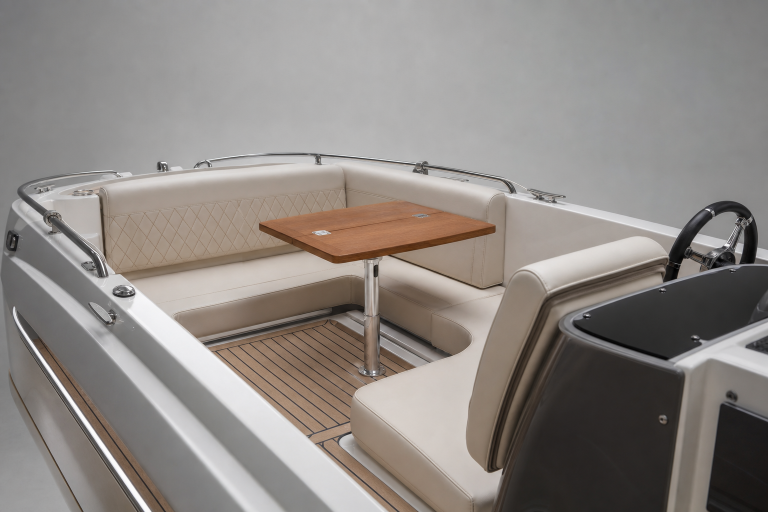
When exploring boat furniture outdoor living options, start with how your vessel is actually used. A seating arrangement that works for a quiet afternoon at anchor may be a poor fit if it crowds the boarding area, blocks storage, or makes it harder for the operator to see and move around safely.
Why Deck Comfort Matters
Outdoor seating can turn unused deck space into a practical living area, but comfort is only one part of the decision. The best arrangements support conversation and relaxation without interfering with boarding, storage hatches, railings, or the helm. A durable setup also drains well, stays stable in changing conditions, and can be cleaned without turning routine maintenance into a major project.
Start With the Boat Layout
Measure before buying, building, or recovering anything. Record the deck length and width, the width of passageways, seat height, hatch openings, and the distance from seating to the helm, ladders, and boarding points. Marking proposed furniture footprints with painter's tape is a simple way to see whether the layout feels natural in real use.
Fixed benches can make sense on larger boats with dedicated entertaining areas. On smaller vessels, folding, removable, or multi-purpose pieces often provide more flexibility. For example, one oversized bench may leave little room to pass a cooler or help a child board, while two smaller seats can be moved aside when the deck needs to stay clear.
Choose Materials for the Setting
Materials should match the amount of weather exposure the seating will receive. A covered cockpit may allow for softer upholstery choices, while an open bow or flybridge benefits from materials selected for moisture, fading, abrasion, and salt exposure. Marine-grade vinyl is easy to wipe down, while solution-dyed outdoor fabric can provide a more fabric-like feel. Quick-drying foam, corrosion-resistant aluminum, treated wood, and durable high-density plastics can also be useful when chosen for the specific application.
Water resistance is important, but so are breathability and drainage. Cushions that hold water against the deck or trap moisture beneath a cover can create mildew problems over time. Sunlight also deserves attention. Checking a daily UV Index forecast can help boaters plan shade, protective clothing, and time in direct sun, especially during long days on open water.
Balance Comfort and Safety
A soft seat is not a good upgrade if it narrows a walkway, blocks the operator's view, or prevents quick access to controls and safety equipment. Keep seating clear of engine compartments, fuel-system access points, boarding ladders, swim platforms, and dependable grab points. Seat bases, mounts, straps, snaps, and fasteners should be secure and inspected after rough conditions or heavy use.
Passenger behavior matters as much as placement. The guidance on propeller hazards and passenger seating warns against riding on bow areas, gunwales, transoms, seatbacks, and other locations where a person could fall overboard. Keep people away from rear decks and swim platforms when engines or generators are running, and establish clear rules for boarding and water activities.
Plan for Sun and Salt
Deck furniture must withstand more than occasional rain. Ultraviolet exposure, salt spray, heat, wind-driven grit, wet gear, and frequent rubbing can affect covers, seams, cushions, and hardware. Lighter colors can feel less hot in direct sun, although color alone will not prevent fading. Shade, ventilation, breathable covers, and prompt rinsing are more reliable parts of a protection plan.
Salt deserves special attention because it can remain in seams and around fasteners after the water dries. Rinse seating, frames, and nearby hardware with fresh water after saltwater outings. Do not put a damp cushion under a tightly sealed cover, since trapped moisture can remain out of sight until odors, staining, or mildew appear.
Make Small Spaces Work Harder
Compact boats benefit from furniture that earns its place. Fold-down tables, removable backrests, stackable stools, storage benches, and cushions that serve multiple purposes can make a small deck feel useful without making it crowded. Before bringing an item aboard, identify where it will be stored while underway and when it is not needed.
Keep the center of the deck available for movement whenever possible. Test the arrangement by walking through with a cooler, while wearing a life jacket, or while assisting someone from the dock. If those ordinary tasks feel awkward, simplify the layout before committing to permanent seating.
Build a Simple Care Routine
Consistent care usually takes less effort than restoring neglected upholstery. After each outing, rinse off salt and sand, remove wet towels and gear, separate cushions to allow air to circulate, and check straps and snaps. Each month, inspect seams, look beneath cushions for discoloration, check metal components for corrosion, and clear drainage channels and storage compartments.
Before long-term storage, clean and fully dry every soft item. Store cushions off the deck when practical, use covers that permit airflow, and avoid sealing damp materials in plastic bags. Follow the care guidance for the specific upholstery and frame materials, since harsh household cleaners can damage finishes, stitching, or protective coatings.
Know When to Repair or Replace
Address small problems early. Open seams, cracked vinyl, flattened foam, loose mounts, corrosion near fasteners, persistent mildew odors, and water pooling inside cushions all deserve attention. Repair may be sensible when damage is isolated, such as a single loose seam or one worn cushion. Replacement is often the safer choice when foam remains soaked, cracking is widespread, or mounting points have weakened.
Common Questions
What is the best material for boat seating?
No single material suits every boat. Consider exposure to sun and moisture, how often the boat is used, cleaning preferences, and whether the seating is covered or fully exposed.
Should boat cushions be removed after every trip?
They do not always need to be removed, but wet cushions should be opened, separated, or taken ashore to dry before storage. Airflow helps reduce trapped moisture.
How much room should be left around seating?
Leave enough room for normal movement, safe boarding, storage access, and a clear helm view. The right amount depends on the boat's design and the equipment carried aboard.
When should a seat be repaired?
Repair seating when seams open, fasteners loosen, foam stays wet, or surfaces begin to crack. Early attention can help protect the structure beneath the upholstery.
Comfort That Holds Up
A comfortable boat deck does not need to be crowded or expensive. Measure first, protect clear routes and visibility, choose materials for the conditions, and make drying and inspection part of every outing. Thoughtful placement, durable components, and consistent care create an outdoor space that remains inviting without compromising how the boat works.

Leave a Reply